
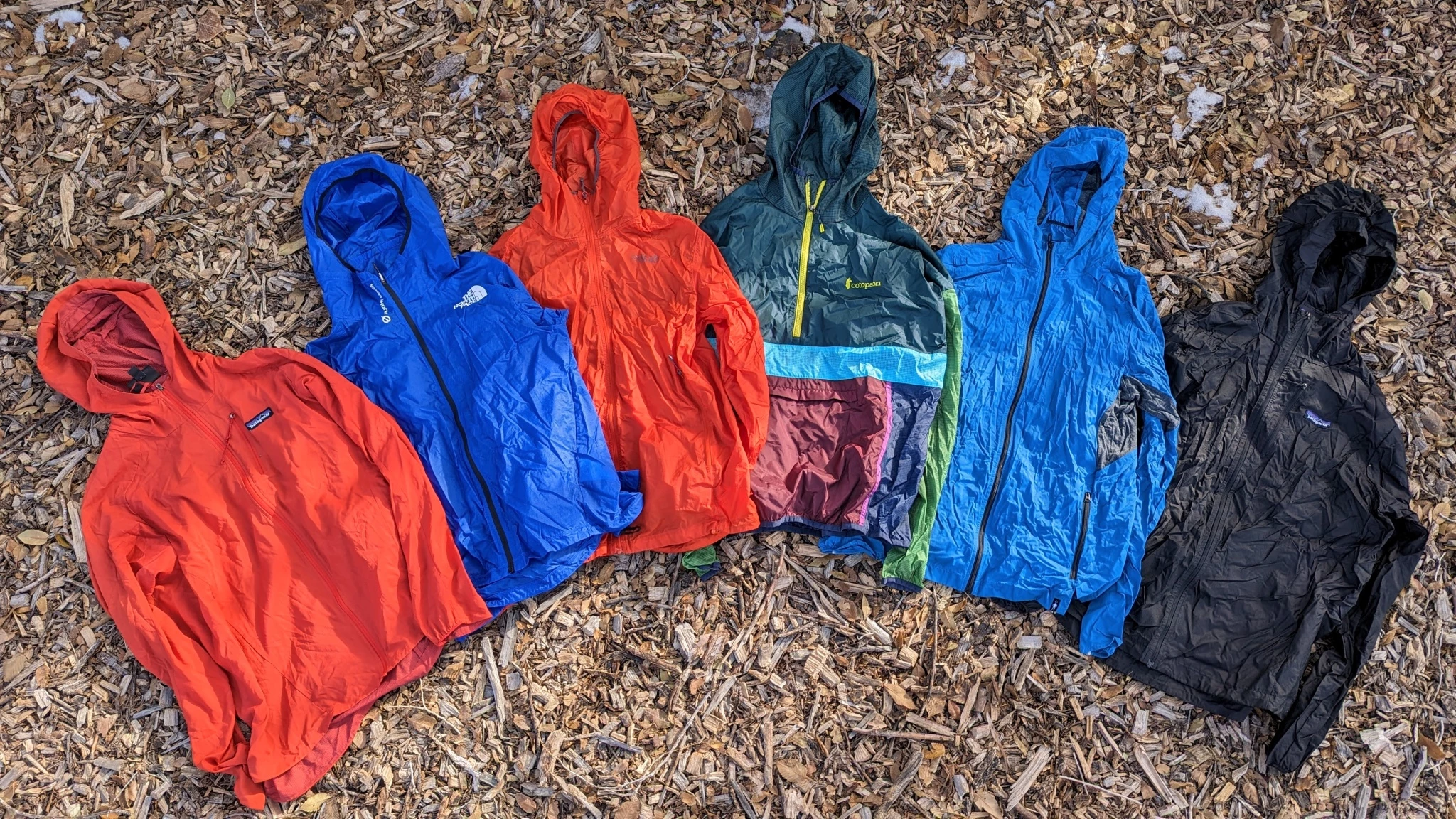
In addition, windbreakers are equipped with features like elastic cuffs, adjustable hoods, and drawstring hems. These thoughtful designs help seal openings, preventing wind from entering and helping retain body heat.
The combination of wind protection and comfort without bulk is what distinguishes windbreakers from other jackets. While they don't provide significant insulation, their wind resistance, water resistance, and layering ability make them ideal for outdoor activities in fluctuating temperatures. Understanding these qualities explains why windbreakers can keep you warm even in chilly, windy conditions.
Which Materials Offer the Best Insulation?
To determine if a windbreaker can keep you warm, it's essential to understand the types of insulation materials used. While windbreakers primarily protect against wind and light rain, incorporating the right insulation materials can enhance their warmth.
Down Insulation
Down is sourced from the undercoats of ducks or geese. Known for its excellent warmth-to-weight ratio, down is ideal for very cold conditions. However, it loses its insulating properties when wet, so jackets with down insulation should feature a waterproof outer layer to maintain warmth in damp conditions.
Synthetic Insulation
Materials like polyester fibers, PrimaLoft, and Thinsulate replicate the warmth of down but perform better in damp conditions. These fibers don’t absorb much moisture, making them suitable for wet weather. While not as warm as high-end down, their water resistance and lower cost make them a practical choice for many.
Wool
Wool is a natural fiber that retains heat even when wet. It can absorb moisture while still providing warmth, making it durable but heavier and less compressible than synthetic or down insulations. Wool is great for keeping warmth but may not be as compact or light as other options.
Fleece and Fleece-like Fabrics
Fleece, including microfleece variants, is commonly used as a mid-layer in windbreakers. It offers additional warmth, dries quickly, and requires minimal maintenance during washing. However, in extremely cold conditions, fleece may not perform as effectively as synthetic alternatives or down.
Advanced Insulation Technologies
New technologies, such as thermal-reflective linings and aerogel, provide outstanding insulation in extreme temperatures. While these innovations deliver excellent warmth, they can be costly or heavier, making them less suitable for casual wearers who need everyday comfort.
By understanding the different insulation materials, you can better assess how well a windbreaker will keep you warm in various conditions.
| Insulation Type | Source | Characteristics | Best Used For | Limitations |
| Down Insulation | Ducks or geese undercoats | Lightweight, excellent warmth | Very cold conditions | Loses insulation when wet, needs waterproof layer |
| Synthetic Insulation | Polyester fibers, PrimaLoft, Thinsulate | Mimics down, better in wet conditions, cost-effective | Humid climates | May not be as warm as high-quality down |
| Wool | Natural fiber | Retains heat even when damp, moisture-absorbing | Cold, damp conditions | Heavier, less compressible than other materials |
| Fleece and Microfleece | Synthetic | Adds warmth, quick-drying, easy to maintain | Mild to cold conditions as a mid-layer | Less effective in extreme cold |
| Advanced Insulation Technologies | Thermal-reflective linings, aerogel | Provides superior insulation for extreme conditions | Extreme conditions | Expensive, potentially heavy |
The type of insulation used in a windbreaker determines its warmth. Synthetic insulation is usually preferred because it performs well in damp conditions and has a long lifespan. It's important to know about these materials when shopping for a windbreaker, as this will help you make an informed choice and select the right jacket based on your needs for comfort, warmth, and freedom of movement.
Best Activities for Wearing a Windbreaker
Windbreakers are lightweight jackets designed to block wind and mild weather, making them perfect for temperatures between 50 and 70°F. This temperature range is ideal for the changeable spring and autumn seasons, where you can wear a windbreaker without getting overheated.
Active Outdoor Activities
Windbreakers are breathable and perfect for dynamic outdoor activities such as:
- Hiking
- Jogging
- Biking
Casual Outdoor Activities
They are also great for more relaxed activities like:
- Walking
- Attending outdoor events
Windbreakers provide comfort and ease of movement, making them ideal for casual outdoor wear.
Performance Features
Windbreakers like the Mountain Hardwear Kor AirShell Hoody, featuring Pertex technology, are great for high-performance activities in chilly conditions. They offer excellent wind protection while allowing air circulation.
Layering for Extra Warmth
On colder days, you can layer a windbreaker with base layers and mid-layers for added warmth without sacrificing comfort or flexibility.
Windbreakers are a great investment for anyone who enjoys nature walks or outdoor activities, offering protection, comfort, and practicality across different conditions and climates.
How to Layer Effectively with a Windbreaker
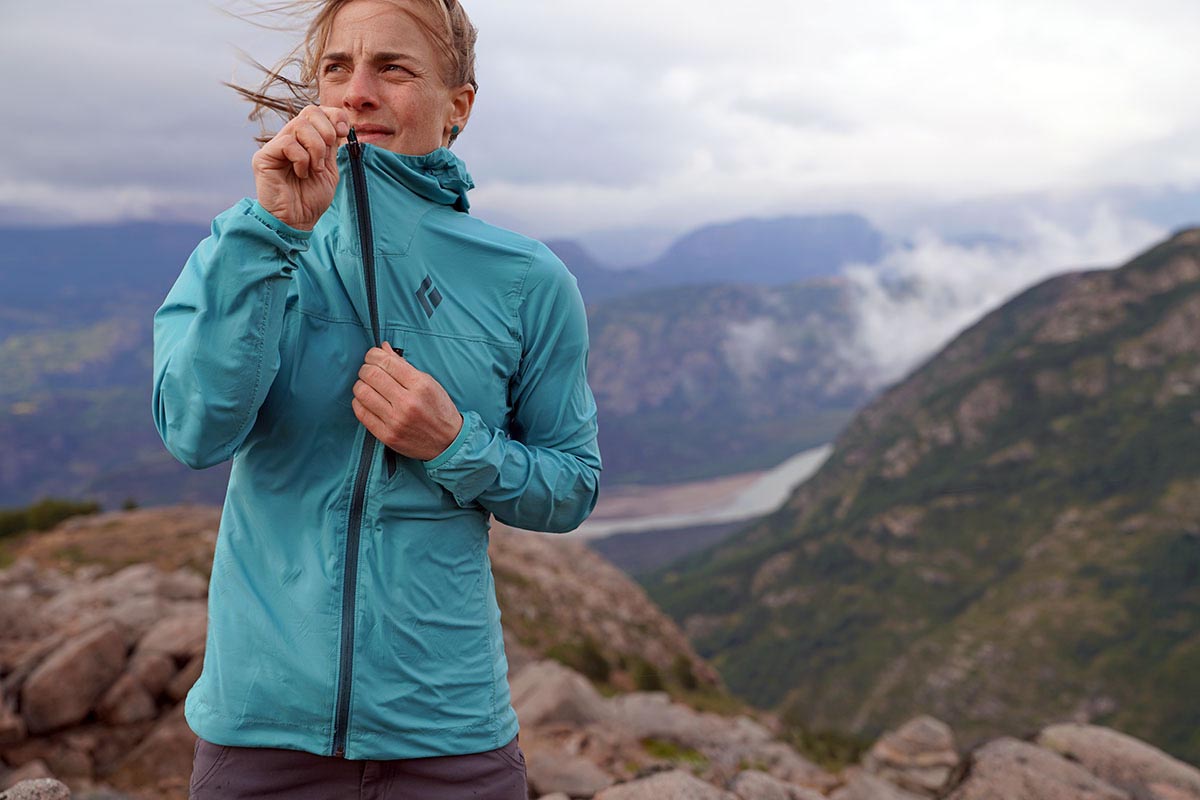
Layering with a windbreaker is an effective way to stay warm and comfortable in cold weather. Here’s how to layer properly:
-
Base Layer
Start with a good base layer that wicks moisture away from your skin. Merino wool or synthetic fabrics work well for this purpose. Your base layer should fit snugly but not too tight, as it helps manage perspiration and keeps you dry. -
Mid-Layer
Next, add a warm second layer such as a fleece or down jacket. This layer traps heat and acts as insulation, keeping you warm by retaining body heat. -
Outer Layer (Windbreaker)
Finish with your windbreaker as the outermost layer. This will protect you from the wind and light rain while allowing air circulation. The windbreaker is lightweight and breathable, preventing you from overheating even in slightly chilly conditions.
Comparing Windbreakers vs. Rain Jackets
When choosing outdoor gear, it’s essential to understand the differences between a windbreaker and a rain jacket, as they serve distinct weather-related functions.
Comfort and Breathability
Windbreakers are typically made from lightweight materials like nylon or polyester, offering excellent breathability. This makes them ideal for varying weather conditions, as they protect against wind without compromising airflow. Many windbreakers also feature underarm or back vents for added ventilation.
Rain jackets, however, prioritize waterproofing over breathability. Fabrics like Gore-Tex provide excellent water resistance but can feel warmer and less breathable, especially in humid conditions. Some models, like the North Face Venture 2 Rain Jacket, include vents to help balance breathability and waterproof protection.
Weight and Portability
Windbreakers are known for their lightweight design and compactness, making them easy to pack and carry. They typically fold into small pouches, which makes them perfect for activities where minimizing weight is crucial.
Rain jackets, in contrast, tend to be heavier due to the durable waterproof materials and sealed seams used in their construction. While still portable, rain jackets are not as compact or lightweight as windbreakers.
Warmth and Weather Protection
Windbreakers provide basic wind protection and some water resistance but are not suited for heavy rain. They are effective at insulating against cold winds, but they won’t offer much warmth in freezing temperatures without additional layers underneath.
Rain jackets, on the other hand, provide full protection against rain, keeping you dry in heavy downpours. However, they do not offer insulation, so they may not be suitable for colder conditions unless layered with other clothing for warmth.
In summary, windbreakers are great for light wind and moderate weather, while rain jackets excel in heavy rain but may not be as breathable or warm in cold conditions.
Freedom of Movement
Windbreakers are designed to provide exceptional flexibility and freedom of movement, making them well-suited for active sports like running, cycling, and athletics. Their lightweight and versatile construction allows for easy mobility, which is why they’ve been a staple in athleisure and casual wear. While newer versions of windbreakers are ergonomically designed to improve movement, they still tend to offer more flexibility than rain jackets. Windbreakers are built with active use in mind, offering the perfect balance of comfort and performance.
In contrast, rain jackets are often bulkier and made from stiffer materials, which can limit movement. Their main focus is waterproof protection, which can hinder flexibility and comfort during physical activities.
Conclusion
Choosing between a windbreaker and a rain jacket depends on the type of activity and the weather conditions. Windbreakers are ideal for light rain and windy conditions, offering breathability, comfort, and ease of movement. They are the perfect choice for outdoor activities that require flexibility. On the other hand, rain jackets are essential for heavy rain, as they prioritize waterproofing over breathability, sacrificing some mobility for better protection in harsher weather.
Lastly, windbreakers are a must-have for those needing protection from wind and light rain. Though they provide minimal insulation on their own, their excellent layering potential makes them great for staying warm in colder weather. Windbreakers are highly adaptable, perfect for both intense outdoor sports and everyday urban wear.
Interested in learning more about jackets? Visit waterproof Jackets


