 Xiamen Yuelei Sports Co., Ltd
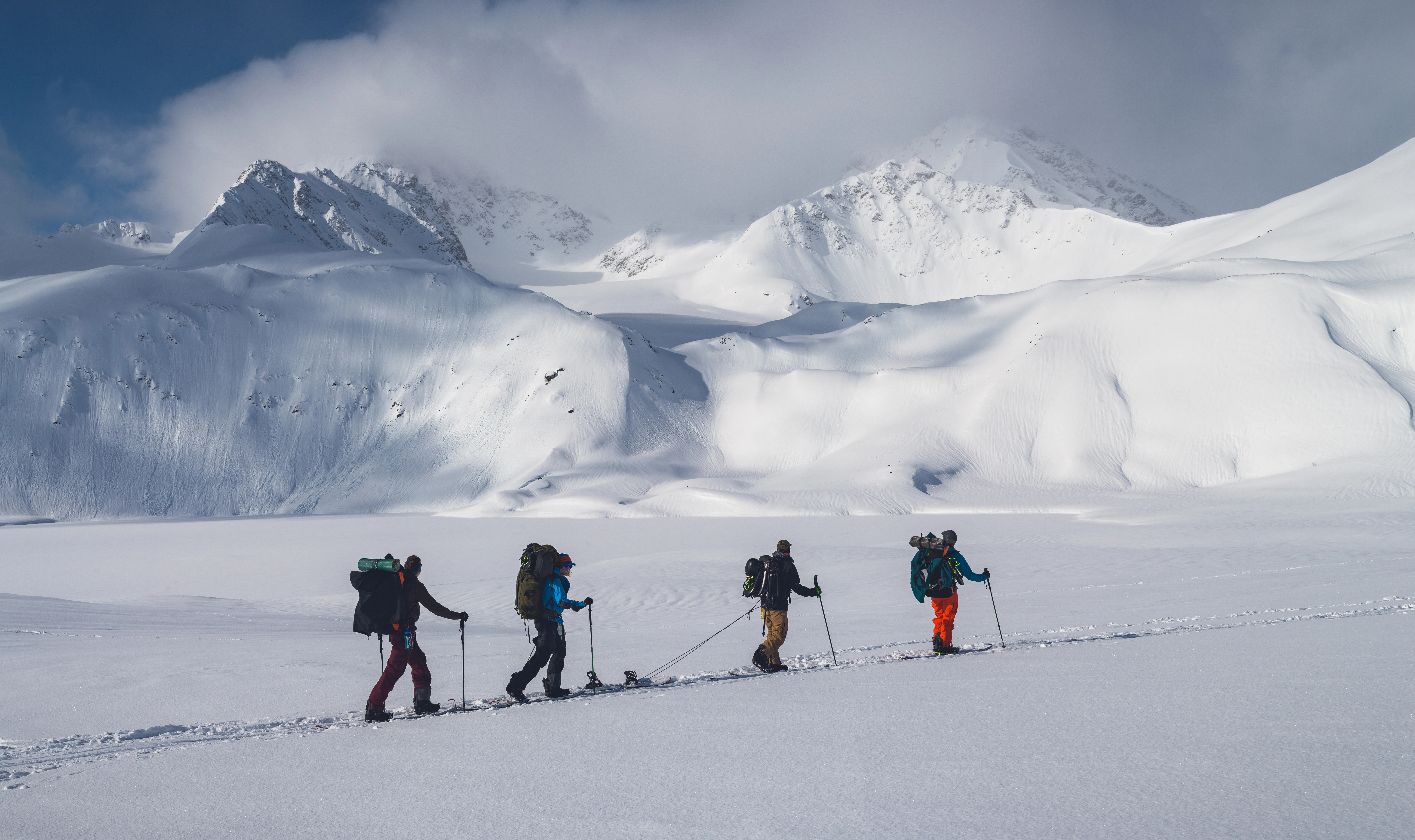
When a technical engineer in Trondheim, Norway, encountered a sizing problem during a winter fishing field test, the first assumption was that the waders had been made too small. He had reviewed a general size chart, compared supplier quotations, approved sample Breathable Waders, and confidently scheduled a cold-water test with multiple users. The test conditions were harsh but realistic: air temperature around -3°C, water temperature near 3°C, and repeated standing, kneeling, and walking in shallow current. Within the first hour, several testers reported restricted knee movement, compressed insulation around the waist, cold feet, and condensation inside the leg area; two testers ended the session early. The later review changed the diagnosis: the problem was not simply defective breathable chest waders. It was a misunderstanding of layering allowance, moisture management, boot fit, and chest wader safety in freezing water.
Summary: Under Breathable Waders in freezing water, the safest system is a moisture-wicking base layer, fleece or merino insulating mid-layer, thermal socks, and enough size allowance for movement and circulation. Avoid cotton. CDC/NIOSH notes that wet clothing increases heat loss and cold stress risk; therefore, buyers should evaluate waterproofness, breathability, seam sealing, boot fit, and layering space—not only shell fabric. For B2B sourcing, the right under-wader system reduces returns, improves user safety, and protects long-term product reputation.
Breathable Waders are often misunderstood. They are not winter insulation by themselves; they are a waterproof-breathable shell system designed to keep external water out while allowing some internal moisture vapor to escape. In freezing water, warmth comes mainly from the layers worn underneath. For distributors, outdoor brands, and fishing gear channels, this matters commercially: if the size chart does not account for base layers, fleece pants, thermal socks, and user posture, even well-made waterproof fishing waders can generate complaints about “cold,” “tight,” or “leaking” performance.
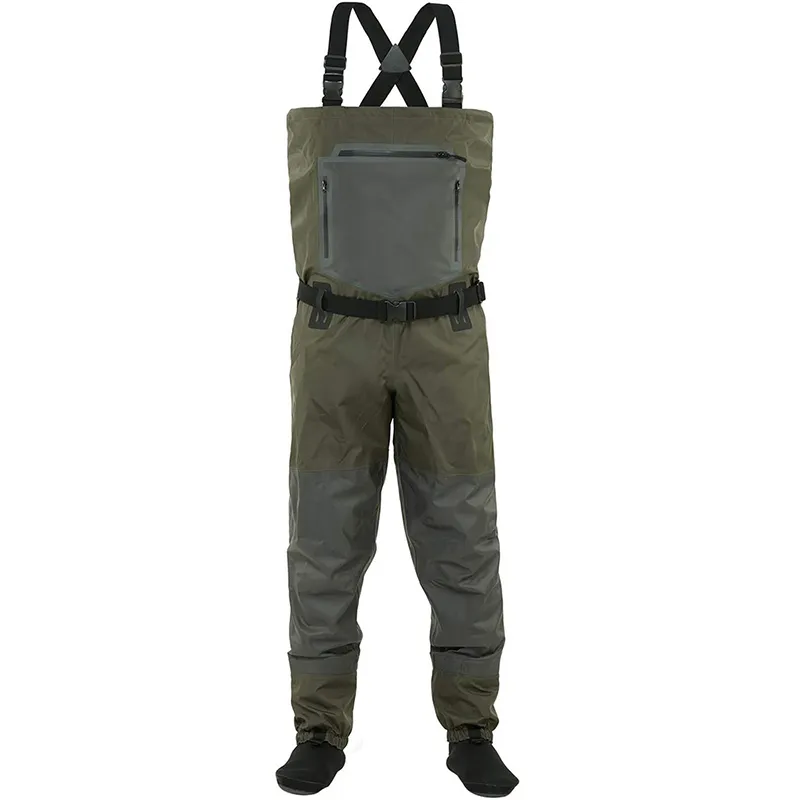
Why Breathable Waders Alone Are Not Enough in Freezing Water
Breathable Waders should be understood as the outer barrier, not the heat source. Their main job is to block liquid water while allowing some vapor transmission from the inside. In freezing water, however, a waterproof shell can still feel cold if internal moisture condenses, insulation is compressed, or boot space restricts blood circulation.
A technically sound wader system usually considers at least four layers of performance:
- Outer waterproof barrier: prevents water entry.
- Breathable membrane or coated layer: supports moisture vapor movement.
- Seam sealing: prevents stitch-line leakage.
- Internal clothing system: provides insulation and moisture control.
Water resistance can be tested using methods such as ISO 811 or AATCC 127, both of which assess hydrostatic pressure resistance. A fabric may achieve a high hydrostatic head rating and still fail the user experience if the garment pattern is too tight for winter layering. This is a common blind spot in breathable fishing waders and breathable hunting waders procurement: buyers sometimes focus on waterproof rating while overlooking fit tolerance.
In water around 0–5°C, the user is exposed to a severe heat-loss environment. Even without direct leakage, cold water outside the wader cools the outer shell; if sweat vapor cannot escape quickly enough, moisture may accumulate inside and reduce insulation performance. CDC/NIOSH cold stress guidance warns that wet clothing increases heat loss and can contribute to cold-related illness. This is why chest wader safety depends not only on waterproofness, but also on what is worn underneath.
For B2B buyers, the hidden cost appears in several ways:
- Users say the wader “leaks” when the real issue is condensation.
- Returns increase because winter layers make the garment feel undersized.
- Retailers struggle to explain fit because the size chart was built for light clothing.
- Cold-foot complaints are blamed on boot material when the actual issue is tight socks and poor circulation.
- Safety reputation suffers if end users are underprepared for freezing-water exposure.
A strong technical specification should therefore treat Breathable Waders as part of a complete cold-water system.
What Base Layer Should Be Worn Under Breathable Waders?
The base layer should keep moisture away from the skin. In freezing water, this is more important than many users realize because sweat trapped next to the body can turn warm clothing into a cooling surface.
The recommended base-layer materials are:
- Polyester: durable, quick-drying, widely available.
- Polypropylene: very low moisture absorption, useful in cold environments.
- Merino wool: warmer feel, odor resistance, good moisture buffering.
- Merino-synthetic blends: balance warmth, durability, and drying speed.
Cotton should be avoided. Cotton absorbs and holds moisture; once wet, it dries slowly and loses much of its insulation value. For users standing in near-freezing water, cotton underwear, cotton sweatpants, or jeans can accelerate cooling and restrict movement. CDC/NIOSH cold stress guidance specifically emphasizes that wet clothing increases heat loss; in field conditions, cotton is one of the easiest ways to create that problem.
A practical base-layer weight guide:
| Activity Level | Suggested Base Layer Weight | Typical Use Case |
|---|---|---|
| High movement | 150–180 gsm | Hiking to fishing spot, active wading |
| Mixed activity | 180–220 gsm | General winter fishing or field use |
| Low movement / long standing | 220–260 gsm | Stationary angling, cold marsh work |
For OEM/ODM buyers, the key is not only recommending the right base layer; it is designing breathable chest waders with enough room for it. A size chart based only on body measurements may work in mild weather but fail in freezing water. A better B2B fit specification should include:
- Waist and hip allowance over thermal underwear.
- Knee flexion allowance with fleece pants.
- Torso length allowance for sitting, bending, and casting.
- Inseam tolerance when users wear thick socks or stockingfoot systems.
- Clear notes for winter layering in the size chart.
This is one area many competitor articles under-discuss: the base layer changes the required product size. If a user adds 200–260 gsm thermal underwear, a tight wader can compress insulation, reduce blood flow, and make the user colder—not warmer.
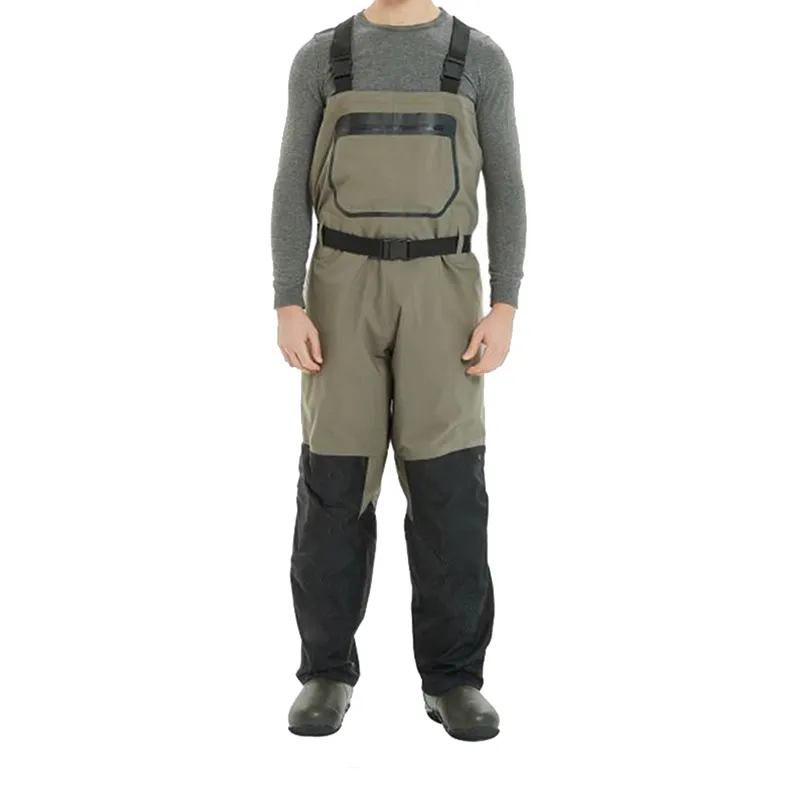
What Insulating Mid-Layer Works Best Under Breathable Chest Waders?
The insulating mid-layer traps warm air. For freezing water, this layer often determines whether the user can stay comfortable for 30 minutes or several hours.
Common mid-layer options include:
- Fleece pants: reliable, affordable, quick-drying.
- Grid fleece: improved moisture movement and reduced bulk.
- Merino blend pants: warm and comfortable, but can dry slower than synthetics.
- Softshell liner pants: useful when abrasion or wind exposure exists before entering water.
- Insulated liner pants: suitable for long static exposure in very cold conditions.
Suggested insulation ranges:
| Cold Exposure Type | Suggested Mid-Layer |
|---|---|
| Moderate cold, active movement | 200–250 gsm fleece |
| Freezing water, mixed standing/walking | 250–300 gsm fleece or grid fleece |
| Long static fishing or hunting | 300+ gsm fleece or insulated liner pants |
| Commercial pond/aquaculture work | Durable synthetic thermal liner with easy-care fabric |
A common mistake is assuming more thickness always means more warmth. In reality, insulation works because it traps air. If breathable chest waders are too tight through the hips, thighs, knees, or waist, the insulation is compressed and warmth declines. Tight layering can also restrict the user’s stride, reduce kneeling comfort, and increase seam stress during repeated movement.
ISO 11092 is relevant here because it evaluates thermal resistance and evaporative resistance of textiles. Although it is not a “wader fit” standard, it helps explain why warmth and breathability must be balanced. A highly insulating system with poor moisture management can become damp from sweat; a very breathable but under-insulated system can feel cold in static water exposure.
For B2B procurement, the ROI impact is clear:
- Better pattern allowance reduces size exchanges.
- Clear layering guidance reduces customer-service workload.
- Better mobility reduces seam strain and warranty claims.
- Application-specific sizing improves distributor confidence.
This is especially important for breathable hunting waders, where users may stand still for long periods in marshes or shallow water. Compared with active fly fishing, hunting often requires more static insulation and more room in the lower body.
What Socks and Boots Should Be Used with Waterproof Fishing Waders?
Cold feet are one of the most common complaints in waterproof fishing waders, but the cause is not always leakage. Often, it is poor sock layering or overly tight boot fit.
The recommended sock system is:
- Thin liner sock
Synthetic or merino liner sock to move moisture away from the skin. - Thermal outer sock
Wool or synthetic thermal sock for insulation. - Correct boot or stockingfoot volume
Enough room for toes to move and blood to circulate.
The critical rule is simple: socks should insulate without compressing the foot. Overly thick socks inside a tight boot reduce circulation, which can make feet colder. Users may then assume the waterproof fishing waders are failing when the actual issue is boot fit.
A practical fit target is to leave at least 5–10 mm of toe space after thermal socks are worn. In stockingfoot systems, users may need to size up half a size or one full size in wading boots, depending on sock thickness and neoprene stockingfoot volume.
For B2B buyers, this should be reflected in product documentation:
- Specify stockingfoot thickness, such as 3 mm or 4 mm neoprene where applicable.
- Provide a boot-fit note for winter socks.
- Clarify whether the size chart assumes thin socks or thermal socks.
- Offer separate guidance for rental, commercial, fishing, and hunting use.
- Consider wider boot options for cold-weather models.
A thin but overlooked issue is ankle compression. If the transition between neoprene stockingfoot and boot is too tight, circulation may be reduced around the ankle and instep. This can trigger cold-foot complaints even when the shell and seams are waterproof.
2-Layer, 3-Layer, and 4-Layer Under-Wader Systems Compared
The best under-wader system depends on water temperature, air temperature, activity level, and fit allowance. The table below compares common systems for freezing or near-freezing use.
| Layering Option | Warmth | Moisture Control | Mobility | Best Use Case | B2B Risk If Specified Wrong |
|---|---|---|---|---|---|
| Cotton underwear + jeans | Low when damp | Poor | Poor when wet and stiff | Not recommended | Cold complaints, stiffness, safety risk |
| Synthetic base layer only | Low to moderate | Good | Excellent | Active use in mild cold | Under-insulation in static freezing water |
| Merino base + fleece pants | Good | Good | Good if sized correctly | Winter fishing and general cold-water use | Size returns if pattern allowance is too tight |
| Base layer + insulated liner pants | Very good | Moderate to good | Moderate | Long static fishing, marsh hunting | Overheating during active use; bulk issues |
| Over-layering with tight boots | Poor in practice | Poor | Poor | Not recommended | Cold feet, circulation restriction, false leakage claims |
The safest system is not the thickest system. It is the system that stays dry, insulated, mobile, and correctly sized. For breathable fishing waders, users who walk, cast, and climb banks usually need better moisture control and mobility. For breathable hunting waders, users who wait in cold marshes often need more static insulation and lower-body room.
Application Matrix: What to Wear Under Waders by Use Case
Different buyers need different specifications. A fly-fishing retailer, a hunting distributor, a kayak-fishing brand, and a commercial aquaculture supplier should not necessarily use the same wader fit logic.
| Application | Water/Air Condition | Recommended Under-Wader System | Suggested Wader Design Consideration | Buyer Note |
|---|---|---|---|---|
| Winter fly fishing | 0–6°C water, variable movement | Synthetic or merino base + 200–300 gsm fleece | Articulated knees, flexible crotch, moderate layering allowance | Balance warmth and casting mobility |
| Duck hunting in marshes | Freezing water, long static waiting | Heavy base layer + 300+ gsm fleece or insulated liner | More thigh/seat room, reinforced lower legs | Breathable hunting waders need static warmth capacity |
| Kayak fishing | Cold water, seated posture | Moisture-wicking base + low-bulk fleece | Extra seat comfort, torso length, hip flexion | Avoid waist compression while seated |
| Commercial aquaculture / pond work | Repeated entry/exit, wet handling | Durable synthetic base + easy-care thermal liner | Reinforced knees, abrasion-resistant fabric, easy cleaning | Focus on durability and replacement cost |
| Rental or club use | Mixed users and unpredictable layers | Moderate base + fleece recommendation | Wider fit tolerance, simple size labels, robust seams | Reduce sizing disputes and misuse |
This matrix highlights a point that many general consumer guides miss: the best under-wader system is linked to the business model. Rental programs need forgiving sizes and durable construction. Premium fishing brands may prioritize mobility and breathability. Hunting distributors may prioritize static warmth and boot volume. Commercial buyers may care most about abrasion, cleaning, and predictable replacement cycles.
Standards, Testing, and Compliance Signals for Cold-Water Wader Programs
There is no single universal standard that says a specific pair of Breathable Waders is “safe for all freezing water.” Instead, buyers should combine material tests, garment construction checks, and cold-stress guidance.
Relevant standards and references may include:
- ISO 811: Hydrostatic pressure testing for fabric water resistance.
- AATCC 127: Water resistance by hydrostatic pressure test.
- ISO 11092: Thermal resistance and water-vapor resistance of textiles.
- ASTM D751: Performance testing for coated fabrics, including strength and related physical properties.
- ASTM F2732: Guidance related to protective clothing and cold stress considerations.
- REACH: Chemical safety requirements for products entering the EU market.
- CPSIA: Relevant for certain consumer products in the U.S., especially where youth sizing may apply.
- OEKO-TEX Standard 100: Often requested by apparel buyers for textile material safety, where applicable.
- Seam leakage testing: Critical for taped or welded seams.
- Abrasion, tear, and puncture tests: Important for knees, seat, lower legs, and boot areas.
Testing gaps can create business consequences:
| Testing or Design Gap | Possible Field Complaint | Commercial Consequence |
|---|---|---|
| Weak seam sealing | “The wader leaks” | Warranty claims and retailer distrust |
| Poor breathability | “Inside gets wet” | Condensation mistaken for leakage |
| Tight winter fit | “Size is wrong” | Returns and exchange costs |
| Low abrasion resistance | Knee or seat wear | Short product life and bad reviews |
| Poor boot sizing | Cold toes, numb feet | Safety complaints and support burden |
| No chemical/material documentation | Buyer inspection delay | Lost tender or delayed shipment |
For B2B buyers, the practical recommendation is to request test reports according to the destination market and application risk. If waterproof fishing waders are intended for freezing-water use, the specification should not stop at “waterproof fabric.” It should include seam construction, breathability target, reinforcement zones, stockingfoot/boot options, and size allowance for winter layering.
Selection Guide: How B2B Buyers Should Specify Breathable Waders for Freezing Water
A good cold-water wader program starts before production. It starts with defining the user’s clothing system, movement pattern, and safety environment.
1. Size the wader around the layering system, not only body measurements
A winter-size chart should assume base layers and mid-layers. If the size chart is built around a user wearing thin pants, it may fail when the same user adds fleece. We recommend adding fit notes such as “allows medium winter layering” or “designed for heavy cold-weather layering.”
2. Avoid cotton in freezing-water applications
Cotton should not be recommended as an under-wader layer for freezing water. It holds moisture, becomes cold when wet, and can reduce mobility. User education can reduce complaints and improve chest wader safety.
3. Build boot and stockingfoot fit around thermal socks
Cold feet are often a fit problem. Buyers should confirm stockingfoot dimensions, boot volume, and sock assumptions. A small increase in foot volume can reduce complaints more effectively than simply increasing insulation.
4. Specify seam sealing, fabric waterproofness, and breathability tests
Fabric waterproofness alone is not enough. A good technical file may include hydrostatic pressure data, seam test results, breathability indicators, abrasion resistance, and inspection criteria. These details help distributors defend product value.
5. Separate fishing, hunting, kayak, and commercial-use size charts where needed
One size system may not fit every application. Breathable fishing waders may require movement-first patterning, while breathable hunting waders may need more static insulation allowance. Kayak users need seated comfort; commercial users need durability and easy replacement planning.
Yuelei Sports provides breathable chest waders and related outdoor sportswear solutions with customizable fabric, seam construction, boot or stockingfoot options, and buyer-requested test reports for B2B distributors, outdoor brands, and fishing gear channels. The value is not only in making the garment waterproof; it is in matching construction, fit, and application to the buyer’s real market.
Frequently Asked Questions
Do breathable waders float?
No, Breathable Waders are not designed to function as flotation devices. They may trap some air temporarily, but this should never be treated as reliable buoyancy. For chest wader safety, users should wear an approved personal flotation device when fishing, hunting, or working near deep or moving water.
How do breathable waders work?
Breathable Waders work by using a waterproof-breathable fabric system. The outer layer blocks liquid water, while the membrane or coating allows some moisture vapor from sweat to escape. However, they are not insulation garments; warmth depends on the base layer, fleece, thermal socks, and correct fit worn underneath.
How to find leaks in breathable waders?
To find leaks in breathable waders, first dry them completely, then inspect seams, knees, seat, crotch, and boot or stockingfoot connections. A common method is to turn the waders inside out and lightly spray or wipe rubbing alcohol over suspected areas; pinholes may appear as darker spots. Avoid overfilling waders with water, as excessive pressure can damage seams.
How to patch breathable waders?
To patch breathable waders, clean and dry the damaged area, trim loose fibers, apply a compatible wader repair adhesive or patch, and let it cure according to the manufacturer’s instructions. For seam damage, crotch leaks, or large tears, professional repair or supplier guidance is recommended because improper patching can reduce waterproof performance.
How to store breathable waders?
Store Breathable Waders fully dry, loosely hung or gently folded, and away from direct sunlight, high heat, sharp objects, and chemical exposure. Do not store them compressed for long periods, especially around taped seams, neoprene stockingfeet, or boot connections. Proper storage helps protect seam sealing, fabric coating, and long-term waterproof performance.
What are breathable waders?
Breathable Waders are waterproof-breathable garments used for fishing, hunting, aquaculture, and other wet outdoor activities. They are designed to keep external water out while allowing some internal moisture vapor to escape. Common types include breathable chest waders, waist waders, stockingfoot waders, and bootfoot waders.
Are breathable waders warm?
Breathable Waders are not warm by themselves. They are mainly waterproof-breathable shells. In cold or freezing water, warmth comes from what users wear underneath—such as a moisture-wicking base layer, fleece or merino mid-layer, and thermal socks. If the waders are too tight, insulation may compress and make the user feel colder.
{ "@context": "https://schema.org", "@type": "FAQPage", "mainEntity": [ { "@type": "Question", "name": "Do breathable waders float?", "acceptedAnswer": { "@type": "Answer", "text": "No, Breathable Waders are not designed to function as flotation devices. They may trap some air temporarily, but this should never be treated as reliable buoyancy. For chest wader safety, users should wear an approved personal flotation device when fishing, hunting, or working near deep or moving water." } }, { "@type": "Question", "name": "How do breathable waders work?", "acceptedAnswer": { "@type": "Answer", "text": "Breathable Waders work by using a waterproof-breathable fabric system. The outer layer blocks liquid water, while the membrane or coating allows some moisture vapor from sweat to escape. However, they are not insulation garments; warmth depends on the base layer, fleece, thermal socks, and correct fit worn underneath." } }, { "@type": "Question", "name": "How to find leaks in breathable waders?", "acceptedAnswer": { "@type": "Answer", "text": "To find leaks in breathable waders, first dry them completely, then inspect seams, knees, seat, crotch, and boot or stockingfoot connections. A common method is to turn the waders inside out and lightly spray or wipe rubbing alcohol over suspected areas; pinholes may appear as darker spots. Avoid overfilling waders with water, as excessive pressure can damage seams." } }, { "@type": "Question", "name": "How to patch breathable waders?", "acceptedAnswer": { "@type": "Answer", "text": "To patch breathable waders, clean and dry the damaged area, trim loose fibers, apply a compatible wader repair adhesive or patch, and let it cure according to the manufacturer's instructions. For seam damage, crotch leaks, or large tears, professional repair or supplier guidance is recommended because improper patching can reduce waterproof performance." } }, { "@type": "Question", "name": "How to store breathable waders?", "acceptedAnswer": { "@type": "Answer", "text": "Store Breathable Waders fully dry, loosely hung or gently folded, and away from direct sunlight, high heat, sharp objects, and chemical exposure. Do not store them compressed for long periods, especially around taped seams, neoprene stockingfeet, or boot connections. Proper storage helps protect seam sealing, fabric coating, and long-term waterproof performance." } }, { "@type": "Question", "name": "What are breathable waders?", "acceptedAnswer": { "@type": "Answer", "text": "Breathable Waders are waterproof-breathable garments used for fishing, hunting, aquaculture, and other wet outdoor activities. They are designed to keep external water out while allowing some internal moisture vapor to escape. Common types include breathable chest waders, waist waders, stockingfoot waders, and bootfoot waders." } }, { "@type": "Question", "name": "Are breathable waders warm?", "acceptedAnswer": { "@type": "Answer", "text": "Breathable Waders are not warm by themselves. They are mainly waterproof-breathable shells. In cold or freezing water, warmth comes from what users wear underneath—such as a moisture-wicking base layer, fleece or merino mid-layer, and thermal socks. If the waders are too tight, insulation may compress and make the user feel colder." } } ] }
References
- CDC / NIOSH — Cold Stress: https://www.cdc.gov/niosh/topics/coldstress/
- OSHA — Cold Stress Guide: https://www.osha.gov/winter-weather/cold-stress
- ISO — ISO 811 Textiles, Determination of Resistance to Water Penetration: https://www.iso.org/
- AATCC — AATCC TM127 Water Resistance, Hydrostatic Pressure Test: https://www.aatcc.org/
- U.S. Coast Guard — Boating Safety and Cold Water Information: https://www.uscgboating.org/
In freezing water, comfort is not created by one thick layer; it is engineered through a dry, breathable, correctly sized system. A user who stays warm is not simply wearing more clothing—he is wearing the right fibers, the right insulation, the right socks, and a wader pattern that does not crush the system underneath.
Yuelei Sports builds breathable chest waders and outdoor sportswear solutions for that moment—when a distributor, brand, or fishing gear channel needs cold-water products that support real users in real conditions. For OEM/ODM sizing, fabric, and seam-construction discussions, contact Yuelei Sports to explore project-ready wader solutions: https://yueleisport.com/products/chest-waders/