 Xiamen Yuelei Sports Co., Ltd.
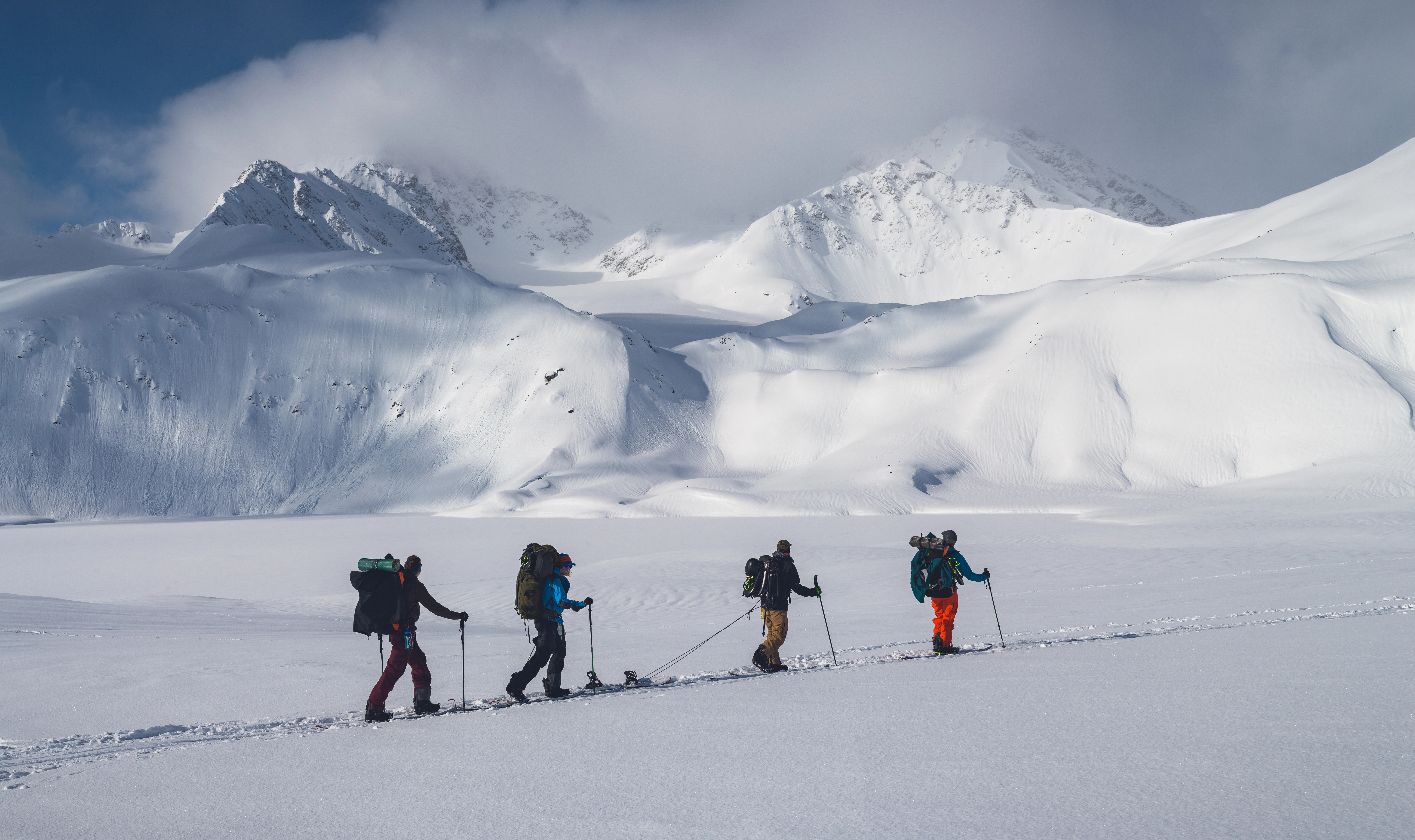
When a technical engineer in Alaska encountered a size selection problem for a fishing outfitter’s rental fleet, he checked only boot size, matched it to a supplier table, and approved a mixed bulk chest wader order with confidence. Within two weeks, guides reported the classic “Frankenstein” fit: boots felt correct, legs ballooned, torsos pulled tight when kneeling, and winter base layers made the shoulder straps unusable. The issue was not fabric quality; it was a misunderstanding of chest wader sizing, body measurements, boot type, and layering allowance.
Resumen: Chest wader fit should not be selected by boot size alone. A reliable chest wader size chart should combine chest, waist/hip, inseam, torso length, boot size, body movement, and layering allowance. ISO 8559-1 provides garment body measurement concepts, while ISO 13688 emphasizes ergonomic fit considerations for protective clothing. For B2B buyers, we recommend building a size matrix by region, user type, season, and bootfoot/stockingfoot construction before approving bulk orders.
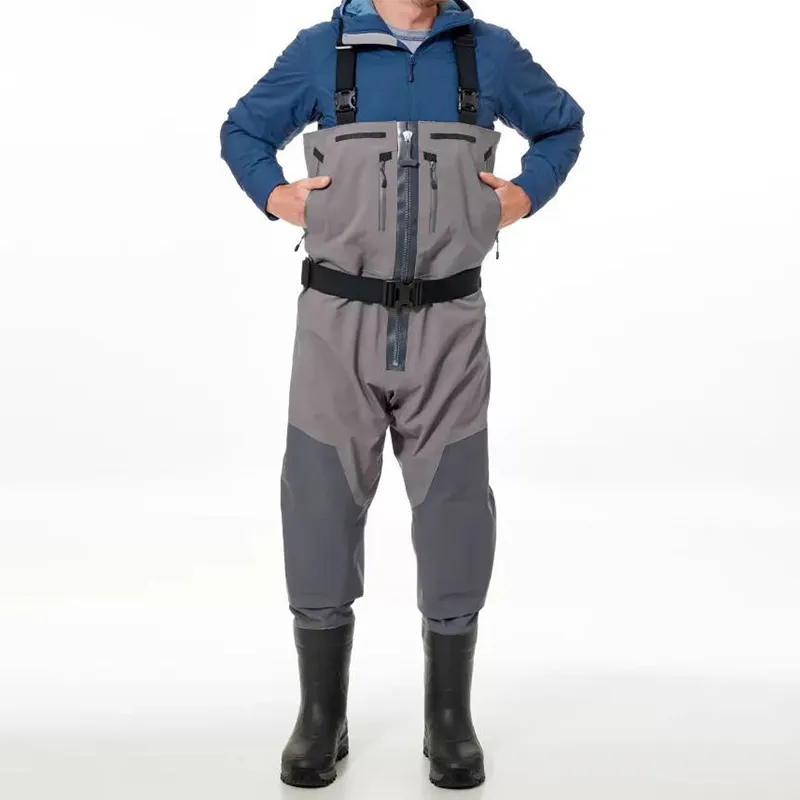
Chest waders are harder to size than jackets or pants because they behave like a full-body waterproof system. A jacket mainly depends on chest, shoulder, sleeve, and hem dimensions; trousers mainly depend on waist, hip, inseam, and rise. Chest waders combine all of these with boot size, crotch depth, strap adjustability, torso mobility, and waterproof seam performance.
For fishing distributors, rental operators, private label brands, and e-commerce sellers, the cost of poor fit is rarely limited to one returned product. Incorrect chest wader sizes can create exchange freight, dead stock, poor reviews, size-curve distortion, and retailer quality disputes.
Why Chest Wader Sizes Cannot Be Selected by Shoe Size Alone
The most common procurement mistake is treating chest waders as “boots with fabric attached.” The honest answer is that boot size is only one dimension in a multi-point fit system.
A bootfoot chest wader may list size 10, 11, or 12, but that number usually refers to the integrated boot. It does not fully describe:
- Chest circumference
- Waist and hip room
- Inseam length
- Torso length
- Crotch depth
- Shoulder strap adjustment range
- Layering capacity
- Movement allowance for kneeling, casting, rowing, or climbing into a boat
From a garment measurement perspective, ISO 8559-1 provides body measurement definitions used in apparel sizing systems. While it is not a fishing-wader-only standard, it supports the principle that body dimensions should be measured systematically rather than guessed from one unrelated parameter.
A size 10 boot does not prove the wearer has a medium torso. A size 12 boot does not prove the wearer needs extra-large chest volume. In rental fleets, guides often see the mismatch clearly: one user may have large feet and a narrow frame; another may have average feet but a broad chest and thick cold-weather layers.
For B2B buyers, the procurement implication is direct:
- Bootfoot waders need boot size plus body size mapping.
- Stockingfoot waders need body size plus separate wading boot compatibility.
- Bulk orders need size curves, not single-size assumptions.
- Regional fit data matters because body proportions vary by market.
A practical rule is to treat shoe size as one input among at least 6–7 sizing checkpoints, not as the sizing decision itself.
What Measurements Should a Chest Wader Size Chart Include?
Un útil chest wader size chart should not be a simple S–XXL table. It should show how the product fits a real body in a real use case.
At minimum, we recommend including these measurement fields:
- Chest circumference: measured around the fullest part of the chest.
- Waist circumference: important for bending and belt fit.
- Hip circumference: critical for sitting, kneeling, and climbing.
- Inseam: from crotch to ankle or boot entry reference point.
- Outseam / height range: helps prevent excessive bunching or pulling.
- Torso / girth measurement: from shoulder through crotch and back to shoulder, depending on measurement system.
- Boot size: especially for bootfoot construction.
- Layering allowance: extra room for base layers, fleece, or thermal insulation.
- Mobility allowance: extra room for knee bend, casting, and rowing movements.
In practical product development, many brands use 2–4 inches of movement allowance in the chest, waist, or hip area depending on fabric structure, intended activity, and seasonal use. Cold-weather models may need more room than warm-weather lightweight fishing waders.
ISO 13688, which covers general requirements for protective clothing, includes ergonomic and comfort considerations. Again, it does not function as a chest wader shopping chart, but it reinforces an important design principle: protective garments should allow the user to perform expected movements without creating unsafe or uncomfortable restriction.
In procurement terms, a technical buyer should not approve a chest wader sale program until the size table answers three questions:
- What body dimensions does each size serve?
- What movement and layering assumptions are built into the fit?
- Is the chart different for bootfoot and stockingfoot models?
If the answer is unclear, return risk is already built into the order.
How Layering, Kneeling, and Casting Change Chest Wader Sizing
Chest waders are rarely worn over bare skin. In cold-water environments, users may wear thermal underwear, fleece pants, insulated socks, and mid-layer tops. These layers can add 1–3 inches to body circumference, especially around the waist, hip, thigh, and chest.
This is why chest wader sizing should be based on the dressed body, not just the body measured in light clothing.
Movement also changes fit demand:
- Kneeling: pulls fabric upward through the inseam and crotch.
- Sitting in a kayak: compresses hip and thigh areas.
- Casting: requires shoulder and upper torso mobility.
- Rowing: stresses upper body, straps, and side panels.
- Climbing over rocks or banks: demands inseam and crotch flexibility.
- Cold-weather guiding: requires room for insulation without seam strain.
ISO 11092 is commonly used to evaluate thermal and water vapor resistance in textiles. It is relevant because waterproof apparel must balance protection, insulation context, and moisture management. A wader that fits well over one thin layer may feel restrictive when used with cold-weather clothing; that affects thermal comfort, mobility, and user satisfaction.
Before mass production or bulk purchase, we recommend a basic mobility fit test using at least 5 repeated movements:
- Squat
- Kneel
- Sit
- Step up
- Cast or row motion
If the wearer feels crotch pulling, shoulder strap pressure, boot heel lift, or chest compression during these movements, the size selection is not yet reliable.

What Are the Hidden Costs of Wrong Wader Fit?
Wrong fit is not only a consumer inconvenience; it is a B2B cost driver.
For wholesalers, retailers, and private label buyers, poor chest wader sizes can create hidden costs across the full order cycle:
- Return freight
- Replacement shipments
- Extra customer service time
- Unsold slow-moving sizes
- Lower review scores
- Retailer chargebacks
- Rental fleet downtime
- Rush reorder costs
- Brand reputation damage
A simple total-cost framework is:
Total Fit Cost = Product Cost + Return Freight + Exchange Labor + Unsold Sizes + Review Damage + Reorder Delay
For example, if a distributor sells 1,000 pairs and only 8% are returned because the boot fits but the torso does not, that means 80 units need handling. If each return creates freight, inspection, repacking, customer service, and possible markdown cost, the true loss can be far higher than the product margin.
From a product development perspective, seam stress is another overlooked cost. Tight chest waders can place extra load on crotch seams, knee seams, boot junctions, and taped seams. Waterproof materials may pass water resistance tests in a flat or controlled condition but still fail prematurely if the garment is constantly overstretched in use.
ASTM D751 includes test methods relevant to coated fabrics. ISO 811 and AATCC 127 are commonly referenced for hydrostatic pressure testing of textile water resistance. These references support the same lesson: waterproof performance should be evaluated together with fit, movement, and construction—not only as a fabric number.
Chest Wader Fit Variables: What Buyers Usually Check vs What They Should Check
| Fit Variable | Common Buyer Mistake | Correct Technical Check | B2B Risk If Ignored | Relevant Standard / Test Reference |
|---|---|---|---|---|
| Boot size | Selecting only by shoe size | Match boot size with body size range and sock thickness | Correct boot but wrong torso or leg fit | ISO 8559-1 for measurement logic |
| Chest circumference | Assuming S/M/L is enough | Measure chest with expected base layers | Tight upper body, poor breathing comfort, returns | ISO 13688 ergonomic fit principles |
| Waist/hip | Ignoring sitting and kneeling | Check waist and hip with movement allowance | Pulling, fabric strain, poor mobility | ISO 13688 |
| Inseam | Using height only | Measure inseam and check crotch depth | Baggy legs or restricted stride | ISO 8559-1 |
| Torso/girth | Not measured in many charts | Check shoulder-to-crotch comfort and strap range | Shoulder pressure, crotch pull, poor fit reviews | ISO 8559-1 / ISO 13688 |
| Layering allowance | Measuring users in light clothing only | Add 1–3 inches depending on season and insulation | Winter users cannot wear base layers | ISO 11092 thermal comfort relevance |
| Mobility test | Standing-only fitting | Test squat, kneel, sit, step-up, cast/row motion | Field complaints and rental downtime | ISO 13688 ergonomic considerations |
| Waterproof seam stress | Separating fit from waterproofing | Check whether tight fit stresses seams and coated fabric | Leak claims and quality disputes | ASTM D751, ISO 811, AATCC 127 |
This table explains why a reliable chest wader size chart is a risk-control document, not just a marketing asset.
Chest Wader Sizing Matrix by Application
Different users need different fit priorities. A rental operator, fly-fishing brand, kayak fishing seller, and cold-weather guide program should not use one universal size assumption.
| Application | Typical User Movement | Fit Priority | Recommended Allowance | Buyer Note |
|---|---|---|---|---|
| Fly fishing | Casting, walking, kneeling | Shoulder mobility and inseam balance | 2–3 inches at chest/waist | Avoid excessive bagginess that catches water or brush |
| Commercial fishing | Repeated bending, lifting, standing | Durability and hip/thigh room | 3–4 inches depending on layers | Stronger seams and coated fabric may matter more |
| Kayak fishing | Sitting, paddling, twisting | Hip, thigh, and torso comfort | 2–4 inches in seated zones | Test in seated position before approving bulk order |
| Hunting / marsh use | Walking through mud, crouching | Knee mobility and boot security | 3 inches plus insulation room | Consider thicker socks and colder conditions |
| Flota de alquiler | Mixed body types | Broad size coverage and adjustability | Size curve should cover extremes | Do not rely on boot size only |
| Cold-weather guiding | Layered clothing, long wear time | Layering and thermal comfort | 3–4 inches in key body zones | Measure over typical winter clothing |
| E-commerce retail stock | Unknown end users | Clear size table and return prevention | Transparent chart and fit notes | Poor chest wader sizing increases review risk |
| Private label OEM order | Brand-specific target fit | Size curve consistency | Confirm samples before production | Use return data to refine future orders |
Para un chest wader sale campaign, the size matrix should be prepared before the product goes live. The offer may attract traffic, but unclear sizing can convert traffic into returns.
Standards and Compliance: Why Fit and Testing Belong Together
Chest wader selection is not only about comfort. It also affects waterproof performance, retailer approval, product claims, and brand trust.
Relevant standards and test references include:
- ISO 8559-1: Garment measurement definitions
This supports consistent body measurement language. It is useful when building or checking size tables for apparel products. - ISO 13688: Protective clothing general requirements
This standard includes general ergonomic and comfort considerations for protective clothing. For chest waders, the practical implication is that fit should support expected body movement. - ISO 811: Textile hydrostatic pressure water resistance
This method is used to evaluate resistance of textile fabrics to water penetration under hydrostatic pressure. - AATCC 127: Water resistance hydrostatic pressure test
This is another commonly referenced hydrostatic pressure test method for water resistance in textile materials. - ASTM D751: Coated fabric test methods
This includes methods relevant to coated fabrics, which may apply to waterproof and protective textile construction. - ISO 11092: Thermal and water vapor resistance
This is relevant when evaluating thermal comfort and vapor resistance, especially in layered waterproof garments.
Weak standards awareness can create commercial consequences:
- Poor fit consistency across production lots
- Misleading size table claims
- Waterproof failure disputes
- Return disagreements with retailers
- Private label approval delays
- Consumer safety concerns in cold or wet environments
- Long-term damage to brand reputation
The practical point is simple: waterproof testing and fit development should not be separated. A garment can use suitable waterproof material and still disappoint users if the size architecture creates seam stress, restricted motion, or unrealistic layering assumptions.
Selection Guide: How B2B Buyers Can Avoid Chest Wader Fit Mistakes
Build size rules by body measurement, not only boot size
A reliable program should begin with chest, waist, hip, inseam, height, torso/girth, and boot size. We recommend creating a size matrix that shows body range and product measurements clearly.
Separate bootfoot and stockingfoot sizing
Bootfoot waders combine garment sizing and boot sizing in one product. Stockingfoot waders require separate compatibility with wading boots. The size logic should not be copied blindly between the two constructions.
Add region-specific and season-specific assumptions
A warm-weather e-commerce line in one market may need a slimmer size curve. A cold-weather guiding fleet in Alaska, Norway, or Scotland may need more layering allowance. In procurement terms, geography and season change fit risk.
Run a mobility fit test before mass production
Standing still is not enough. A sample should be tested by squatting, kneeling, sitting, stepping up, and casting or rowing. If fabric pulls sharply at the crotch, knees, or shoulder straps, the pattern needs review.
Use return data to adjust the next size curve
If return comments repeatedly mention “boots fit but body too tight” or “body fits but boots too large,” the size architecture should be adjusted before the next purchase order.
Yuelei Sports provides outdoor sportswear and fishing apparel solutions, including chest waders, dry suits and waterproof jackets, for B2B buyers who need practical size development, waterproof material selection and order-ready product planning.
FAQ
How to measure chest wader size?
To measure chest wader size, check more than the shoe size. Measure chest, waist, hip, inseam, height, torso/girth, and boot size. For cold-weather use, measure over the base layers or insulation the user will actually wear. A practical chest wader size chart should show body ranges, not only product labels such as M, L, or XL. For B2B orders, we recommend testing at least one sample size run before bulk approval.
How to know what size chest waders to get?
The correct size should allow comfortable standing, walking, kneeling, sitting, and casting without pulling at the crotch, chest, knees, or shoulder straps. Start with body measurements, then compare them with the supplier’s size chart. If the user is between two sizes, the better choice depends on season and movement: cold-weather users often need more room for layers, while warm-weather users may prefer less excess fabric.
How big is a size 12 wader?
A size 12 wader usually refers to the boot size in bootfoot construction, not the full body size. The body dimensions can vary by brand, pattern, and intended market. One size 12 may fit a tall, broad user, while another may pair a size 12 boot with a regular body fit. Buyers should always check chest, waist, hip, inseam, and torso measurements before assuming size 12 means large overall.
How to determine chest wader size?
To determine chest wader size, compare the wearer’s body measurements with the product’s measurement table, then confirm the intended use. Fly fishing, kayak fishing, hunting, commercial fishing, and cold-weather guiding require different movement and layering allowances. The honest answer is that chest wader sizing is a fit system: body size, boot type, inseam, torso length, and insulation layers all need to match.
How big is a size 10 wader?
A size 10 wader usually means the attached boot fits around a men’s size 10 foot, but the body fit is not universal. Some size 10 bootfoot waders may come with medium body dimensions; others may be offered in stout, tall, or king-size variations. For wholesale buying, size 10 should be treated as one data point, not the full answer. Always check the full measurement table.
Is wader size the same as shoe size?
No. Wader size is not always the same as shoe size. Shoe size matters most for bootfoot chest waders, but body fit depends on chest, waist, hip, inseam, torso/girth, and layering needs. Stockingfoot waders are even more different because the foot section is a neoprene stocking rather than a fixed boot. Buyers should avoid approving chest wader sizes from shoe size alone.
What are the best budget chest waders?
The better question is which budget chest waders match the user’s fit, waterproof requirements, and expected service life. A low purchase price can become expensive if sizing is unclear, returns are high, or seams fail under movement stress. For a chest wader sale, buyers should check the size chart, fabric type, seam construction, hydrostatic testing reference, and whether the product is suitable for warm-weather or cold-weather use.
How long do chest waders last?
Chest wader service life depends on material, seam construction, frequency of use, storage, abrasion exposure, and fit. Occasional recreational users may get several seasons from well-maintained waders, while rental fleets or commercial users may wear them out much faster. Tight sizing can shorten service life because overstretched seams and boot junctions face more stress. Rinsing, drying, correct storage, and proper fit all help improve durability.
{ "@context": "https://schema.org", "@type": "FAQPage", "mainEntity": [ { "@type": "Question", "name": "How to measure chest wader size?", "acceptedAnswer": { "@type": "Answer", "text": "To measure chest wader size, check more than the shoe size. Measure chest, waist, hip, inseam, height, torso/girth, and boot size. For cold-weather use, measure over the base layers or insulation the user will actually wear. A practical chest wader size chart should show body ranges, not only product labels such as M, L, or XL. For B2B orders, we recommend testing at least one sample size run before bulk approval." } }, { "@type": "Question", "name": "How to know what size chest waders to get?", "acceptedAnswer": { "@type": "Answer", "text": "The correct size should allow comfortable standing, walking, kneeling, sitting, and casting without pulling at the crotch, chest, knees, or shoulder straps. Start with body measurements, then compare them with the supplier's size chart. If the user is between two sizes, the better choice depends on season and movement: cold-weather users often need more room for layers, while warm-weather users may prefer less excess fabric." } }, { "@type": "Question", "name": "How big is a size 12 wader?", "acceptedAnswer": { "@type": "Answer", "text": "A size 12 wader usually refers to the boot size in bootfoot construction, not the full body size. The body dimensions can vary by brand, pattern, and intended market. One size 12 may fit a tall, broad user, while another may pair a size 12 boot with a regular body fit. Buyers should always check chest, waist, hip, inseam, and torso measurements before assuming size 12 means large overall." } }, { "@type": "Question", "name": "How to determine chest wader size?", "acceptedAnswer": { "@type": "Answer", "text": "To determine chest wader size, compare the wearer's body measurements with the product's measurement table, then confirm the intended use. Fly fishing, kayak fishing, hunting, commercial fishing, and cold-weather guiding require different movement and layering allowances. The honest answer is that chest wader sizing is a fit system: body size, boot type, inseam, torso length, and insulation layers all need to match." } }, { "@type": "Question", "name": "How big is a size 10 wader?", "acceptedAnswer": { "@type": "Answer", "text": "A size 10 wader usually means the attached boot fits around a men's size 10 foot, but the body fit is not universal. Some size 10 bootfoot waders may come with medium body dimensions; others may be offered in stout, tall, or king-size variations. For wholesale buying, size 10 should be treated as one data point, not the full answer. Always check the full measurement table." } }, { "@type": "Question", "name": "Is wader size the same as shoe size?", "acceptedAnswer": { "@type": "Answer", "text": "No. Wader size is not always the same as shoe size. Shoe size matters most for bootfoot chest waders, but body fit depends on chest, waist, hip, inseam, torso/girth, and layering needs. Stockingfoot waders are even more different because the foot section is a neoprene stocking rather than a fixed boot. Buyers should avoid approving chest wader sizes from shoe size alone." } }, { "@type": "Question", "name": "What are the best budget chest waders?", "acceptedAnswer": { "@type": "Answer", "text": "The better question is which budget chest waders match the user's fit, waterproof requirements, and expected service life. A low purchase price can become expensive if sizing is unclear, returns are high, or seams fail under movement stress. For a chest wader sale, buyers should check the size chart, fabric type, seam construction, hydrostatic testing reference, and whether the product is suitable for warm-weather or cold-weather use." } }, { "@type": "Question", "name": "How long do chest waders last?", "acceptedAnswer": { "@type": "Answer", "text": "Chest wader service life depends on material, seam construction, frequency of use, storage, abrasion exposure, and fit. Occasional recreational users may get several seasons from well-maintained waders, while rental fleets or commercial users may wear them out much faster. Tight sizing can shorten service life because overstretched seams and boot junctions face more stress. Rinsing, drying, correct storage, and proper fit all help improve durability." } } ] }
Referencias
- ISO 8559-1 Garment Measurement
ISO 8559-1 provides garment measurement definitions used for body dimensions and apparel sizing. - ISO 13688 Protective Clothing General Requirements
ISO 13688 provides general requirements for protective clothing, including ergonomic and comfort considerations. - ISO 811 Textile Hydrostatic Pressure Test
ISO 811 is commonly referenced for evaluating textile resistance to water penetration under hydrostatic pressure. - AATCC Test Method 127 Water Resistance
AATCC 127 is a recognized hydrostatic pressure test method for textile water resistance. - ASTM D751 Coated Fabrics Test Methods
ASTM D751 includes test methods relevant to coated fabrics used in waterproof textile products. - ISO 11092 Thermal and Water Vapor Resistance
ISO 11092 is used to evaluate thermal and water vapor resistance, which matters when layering inside waterproof garments.
A chest wader is not a boot with fabric attached. It is a full-body waterproof garment; the right fit has to protect mobility, layering comfort, seam integrity, waterproof performance, and return economics at the same time.
Deportes Yuelei builds outdoor sportswear and fishing apparel solutions for the moment when sizing accuracy has to become reliable bulk supply. To explore chest wader options for B2B projects, visit: https://yueleisport.com/products/chest-waders/