 Сямыньская спортивная компания с ограниченной ответственностью «Юэлей»
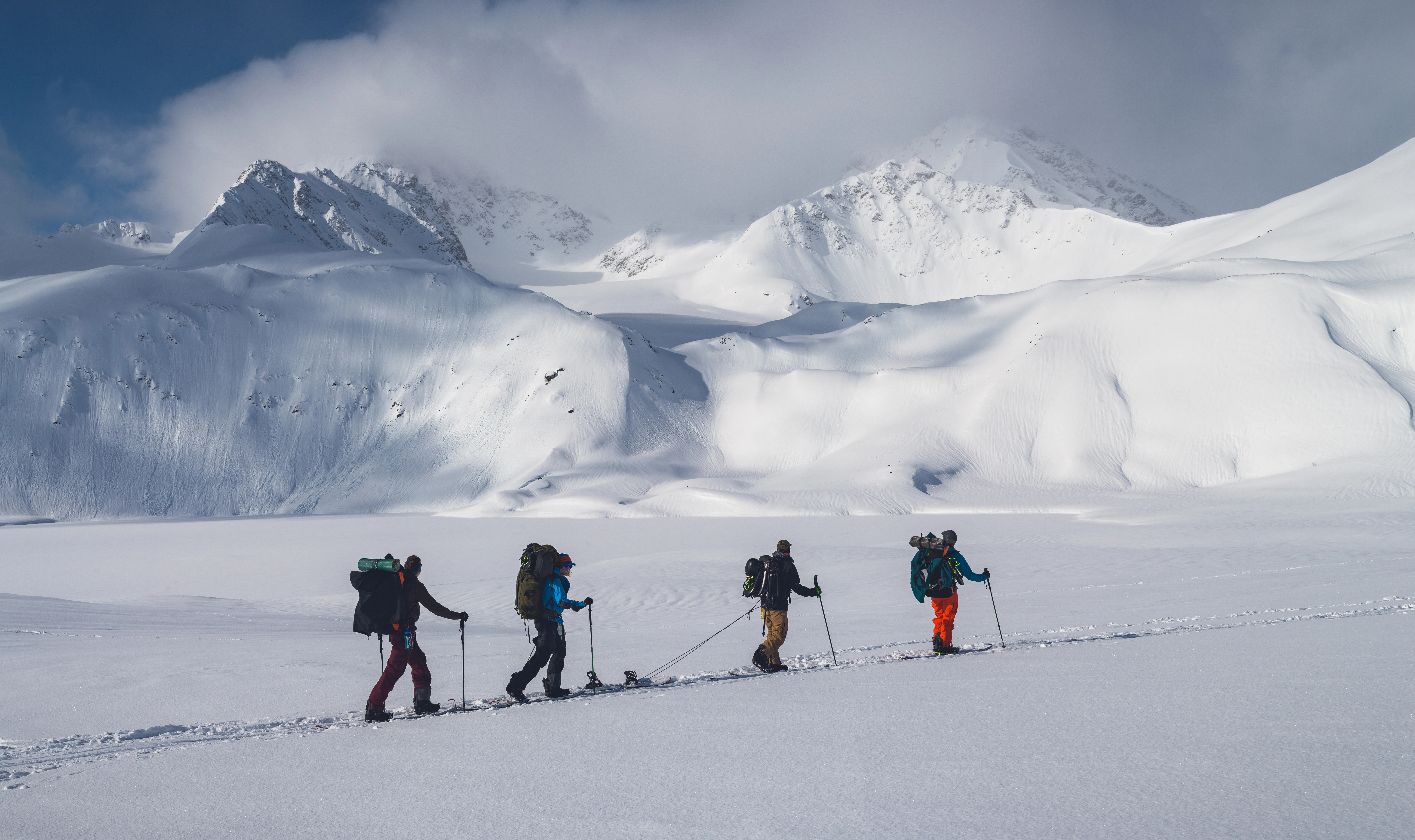
When a representative ski-school manager in Innsbruck reviewed a sunny April shift, instructors were opening jacket fronts by mid-morning, then shivering on the shaded lift ride back up. A quick change to lighter base layers and vented shells reduced the visible problem—sweat-soaked cuffs and damp midlayers—but the reversal mattered more: the issue was not a “bad” jacket. The assortment had been specified for a single cold-weather scenario, with no plan for high-output skiing, sun exposure, wind, shade, or drying between runs. For buyers, that distinction affects returns, staff comfort, stock complexity, and season-long replacement costs.
Summary: The best warm weather skiing clothes are a flexible system, not one temperature-rated outfit. Start with a moisture-managing base, add a light midlayer only when the skier’s output and lift exposure require it, and choose a shell with usable vents for changing wind and sun. ISO 11092 can help compare thermal and water-vapour resistance in textiles, while ISO 811 and ISO 4920 address hydrostatic pressure and surface wetting test methods; none is automatically a certification of a finished ski garment. Buyers should validate fit, ventilation, lower-body mobility, care instructions, and documented test scope before committing a seasonal resort program.
Spring alpine weather changes quickly: strong sun can warm an outer layer, while ridge wind, wet snow, or a shaded lift can reverse the sensation. Warmth and overheating depend on activity, wind, humidity, shade, altitude, precipitation, physiology, and full-kit fit. No universal temperature claim replaces field trials and a clear layering policy.
That is why buyers often separate general alpine skiing clothes from a spring-specific package: the latter must support more frequent adjustment while preserving wind and precipitation coverage.
Spring comfort is a heat-management problem, not a fixed temperature problem
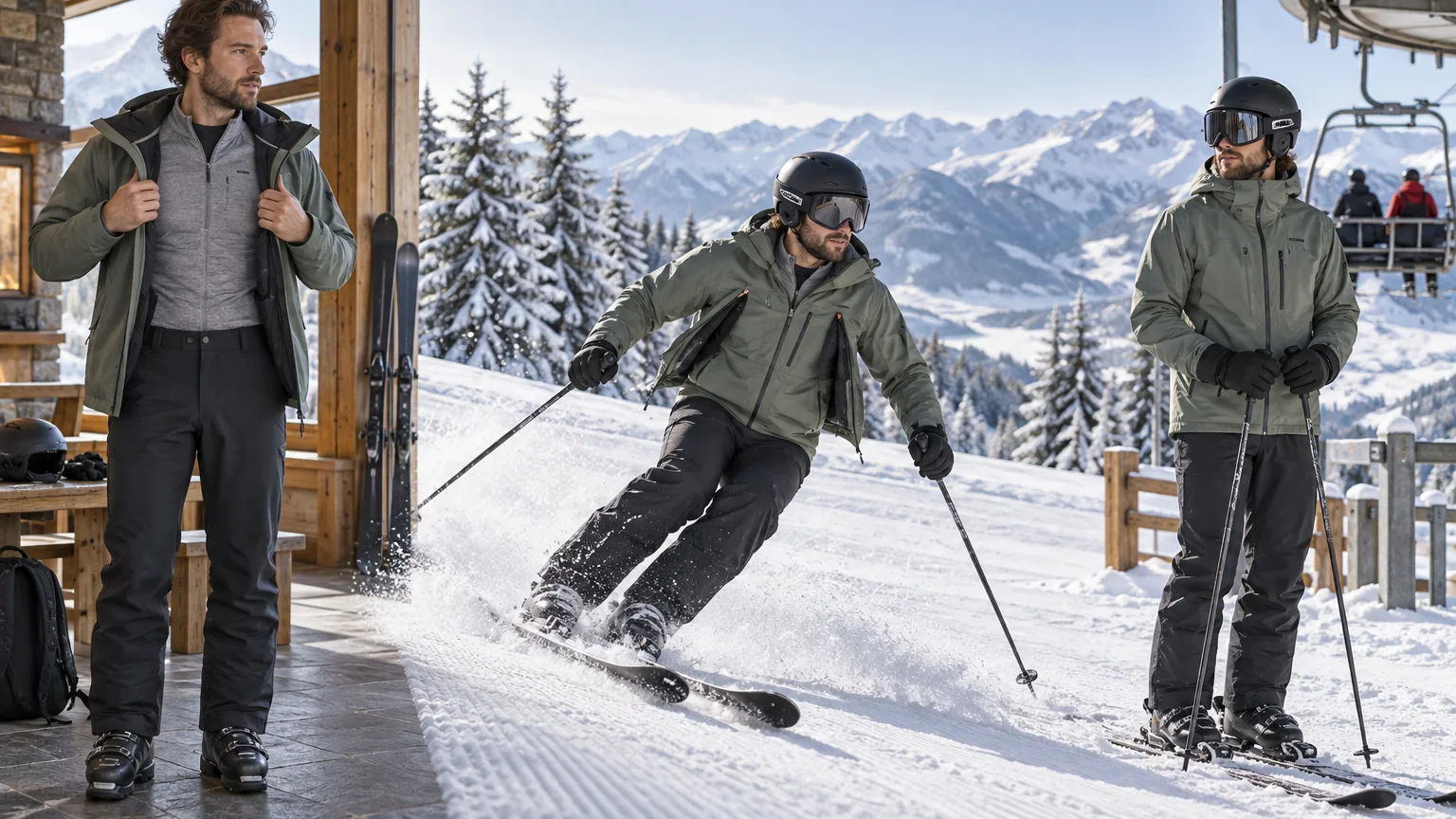
High-output periods include carving repeated runs, ski-school demonstrations, boot packing, and loading or unloading equipment. These activities generate more metabolic heat than a lift-served pause, when wind exposure and lower movement can make the same clothing feel cold. A practical program lets the wearer change insulation without changing the entire outfit: unzip vents during a sustained run, remove the midlayer before a second high-output block, and restore it for a long lift or shaded lunch stop.
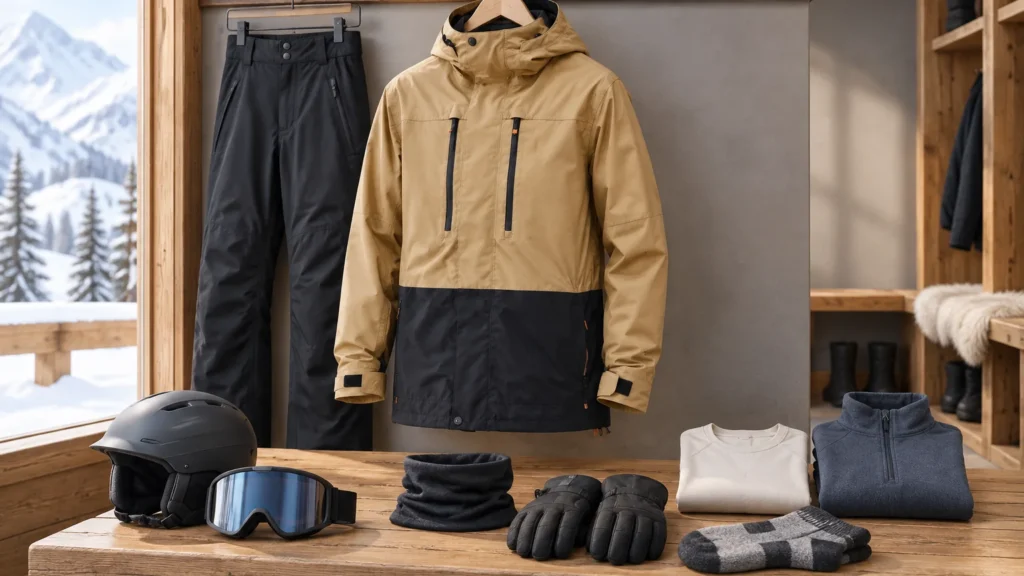
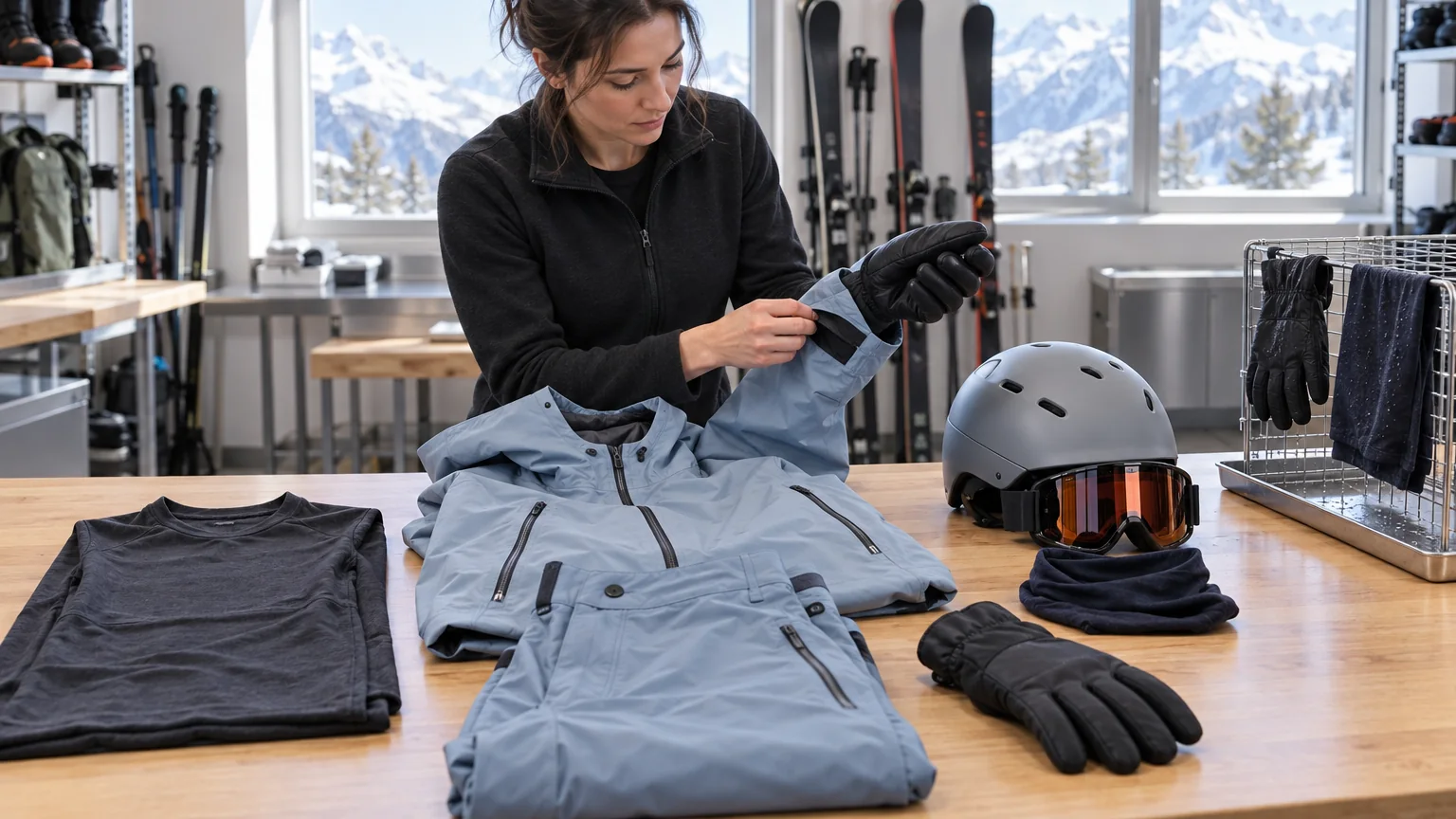
A useful morning-to-afternoon sequence starts conservatively rather than heavily. At the first lift, wear the thin base, light removable midlayer, closed shell, and appropriate gloves; after the warm-up run, open jacket and trouser vents before perspiration accumulates. As sun and activity increase, remove the midlayer at a lodge or other secure stop, stow it dry, and keep the shell available for wind or precipitation. Before a shaded lift, cloud change, or late descent, close vents first and then restore the dry midlayer if needed. This is the practical answer to “What do you wear for spring skiing?”: an adjustable set, not an outfit fixed at breakfast.
“What to wear skiing by temperature?” is therefore best answered with a forecast range plus wind, precipitation, sun, activity, and stop duration—not one number. There is also no universal air temperature that is “too high for skiing”; snowpack, surface conditions, resort operations, weather, and individual response all matter. Follow resort guidance, reassess the snow and exposure through the day, and treat any temperature table as a starting point rather than a guarantee.
Sun also changes the decision. UV exposure can remain significant at altitude and on reflective snow, even when air feels cool. Helmets, goggles, neck coverage, and sunscreen should be treated as a coordinated kit; an exposed face or neck is not solved by adding a heavier jacket. The U.S. National Weather Service and CDC both advise sun protection based on exposure rather than a warm-air assumption, so resort buyers should give staff and customers a simple reapplication and coverage reminder.
A breathable base and a restrained midlayer give the system its range
The base layer should move sweat away without creating pressure under a boot, waistband, or harness. Synthetic or wool-blend options can work; assess moisture management, drying time, seam comfort, and wash durability. Avoid cotton for high-output periods because retained moisture can feel cold during a lift pause.
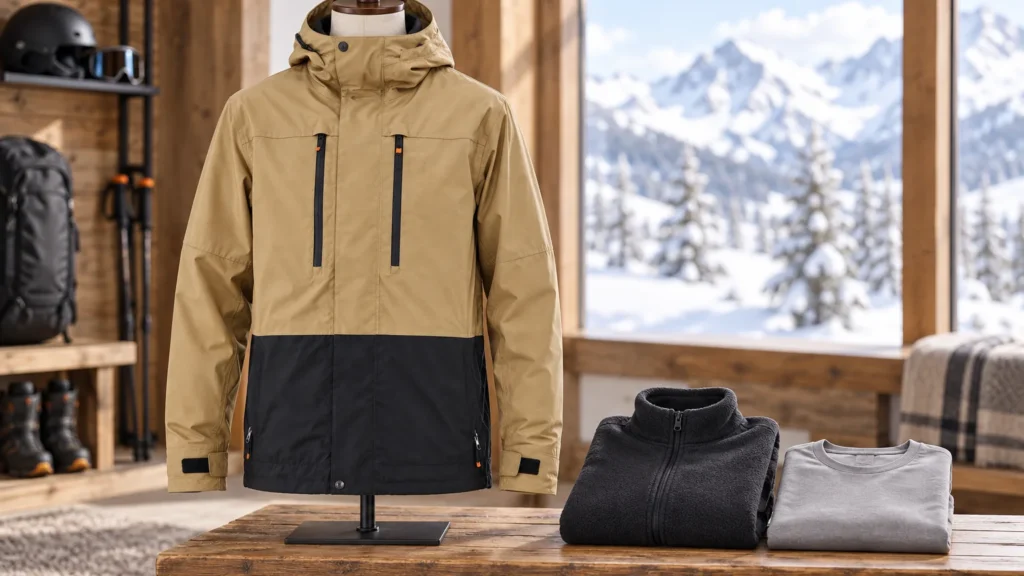
A midlayer is a control element, not a permanent requirement. Light fleece, grid knit, or thin insulation can add warmth during low-output or windy periods. Too much loft can compress under straps, restrict pole plants, and force an oversized shell. Sample the complete base–midlayer–shell combination rather than approving each component separately.
Drying between runs is a process choice as much as a fabric choice. Hang damp layers in a ventilated room, open pockets and cuffs, and rotate spare bases for guides on consecutive blocks. Do not use high heat unless the care label permits it; excessive heat can damage coatings, elastics, or seam tapes.
What should skiers avoid wearing on warm spring slopes?
Avoid cotton next to the skin during high-output skiing, thick duplicate socks inside a fitted boot, and a bulky fixed-insulation combination that cannot be adjusted. Casual denim and absorbent sweatshirts are poor substitutes for a shell system when falling snow, wet chairs, or slush can soak the outer surface. Also avoid long loose accessories that interfere with zippers, packs, lifts, or equipment. “What not to wear while skiing?” is not a brand question: exclude pieces that retain moisture, block movement, defeat helmet or goggle fit, or leave no practical way to vent.
Shell vents and accessories handle sun, wind, and lift-served pauses
For sunny spring operations, a shell with practical pit zips or opening vents gives a faster response than removing the jacket. Vents should remain accessible with gloves and clear of a pack or radio harness. Two-way zips, adjustable cuffs, and a compatible hem can help, but test each feature in the actual uniform.
Warm air and wet spring snow create different demands. Warm air reduces the need for fixed insulation, but slushy snow can increase liquid-water contact at the seat, knees, cuffs, and glove interface. Waterproof protection therefore still matters even when the skier feels hot. Buyers should examine seam construction, closures, and the documented scope of any water-resistance test, then run practical wet-surface and movement checks without presenting those internal checks as a certification.
A shell is not automatically cooler than an insulated jacket; it simply moves insulation decisions to the layers underneath. An insulated jacket can be efficient for slow lift-served duty, early starts, or cold shade, while a shell with a light midlayer can suit active patrols and repeated runs. The honest answer is to specify both use cases when one workforce covers both.
Accessories close gaps a jacket cannot. Goggles should match changing light conditions and helmet geometry; users should follow lens-maker instructions rather than assume one tint suits every morning and afternoon. CDC sun guidance supports covering exposed skin and using broad-spectrum sunscreen as directed, while local UV information can guide timing and reapplication. A thin neck gaiter can be removed when output rises or restored against wind. Thin, dexterous gloves can reduce hand overheating, but each wearer should carry a dry backup pair in protected storage because spring snow and slush can wet cuffs quickly. Avoid implying that any accessory prevents cold injury; NWS guidance frames cold stress as an interaction of exposure, wind, wetness, and individual condition.
Lower-body layering and fit decide whether warmth remains usable
Legs often overheat less than the torso during a run but cool quickly on a windy lift. A moisture-managing base tight or thin ski sock can pair with a shell pant for active users; a light legging or insulated pant may be added for slow, exposed duty. Avoid stacking thick socks, because compression can reduce comfort and create pressure in the boot. If a program uses one pant for varied roles, test sitting, crouching, stepping over a ski, and carrying a loaded equipment bag.
Fit is a performance variable. The jacket should allow full pole-plant reach and a base-plus-midlayers without pulling across the back; sleeves should cover the wrist in a neutral stance but not snag a glove. Ski pants should maintain mobility at the knee and seat, with enough room for the intended base layer but no loose fabric that catches on bindings. Record garment measurements, grading rules, and tolerance ranges in the tech pack so a private-label run does not drift between size sets.
When evaluating warm weather skiing clothes, include a movement check after ten minutes. A garment that feels cool while standing may restrict movement once layers, helmet, gloves, and radio are added, while a loose shell can pump cold air on a lift. Full-kit fit is a better acceptance gate than a flat measurement alone.
Total cost improves when the assortment reflects real operating conditions
Seasonal resort programs pay for more than the purchase order. Cost can accumulate through poor fit, wet-clothing downtime, duplicate emergency layers, repair parts, and end-of-season stock that cannot serve the next climate. A deliberate layer architecture is easier to train and replenish than near-identical jackets.
Hidden spring-assortment costs also include size exchanges, alterations, spare-glove inventory, separate laundering instructions, storage for removed layers, staff time spent explaining the system, and markdowns when fixed-insulation stock misses the weather window. For an illustrative ROI comparison, divide landed garment, fitting, care, repair, replacement, and residual-stock costs by useful wearer-days across the intended roles. The result is not a universal benchmark, but it prevents a low unit price from hiding a short or operationally awkward service life. A modular system may justify more line items only when pieces are actually shared, rotated, repaired, and reordered efficiently.
Use a pilot across sunny runs, shaded lifts, wet-snow days, and indoor drying conditions. Track wear, laundering cycles, vent use, repair reasons, and size exchanges; label calculations as illustrative until the resort supplies its own costs. Request graded measurements, care instructions, sample approvals, and the scope of textile reports so the file remains auditable.
Compare systems by use, not by insulation label alone
| System approach | High-output comfort | Lift and shade comfort | Operational strengths | Typical trade-offs |
|---|---|---|---|---|
| Breathable base + shell | High when vents are usable | Moderate; add a layer for long pauses | Low bulk, easy adjustment, fewer fixed insulation assumptions | Needs a disciplined midlayer and drying plan |
| Breathable base + light midlayer + shell | High if the midlayer can be removed | High for mixed duties | Broadest operating range; supports shared staff kits | More pieces to issue, track, and dry |
| Base + insulated jacket | Variable; vents and fabric breathability matter | High in cold wind or low movement | Simple user instruction and quick warmth | Higher overheating risk during demonstrations or climbs |
| Heavy insulated system | Low for sustained output | High in severe exposure when correctly fitted | Useful for stationary roles and very cold shifts | Bulk, slower drying, and limited spring versatility |
Match the clothing package to the work pattern and weather exposure
| Application or condition | Starting package | Adjustment during the day | Buyer validation question |
|---|---|---|---|
| Instructor or patrol on repeated runs | Moisture-managing base, removable light midlayer, vented shell, flexible glove | Open vents or remove midlayer before output peaks; restore it on lifts | Can the wearer adjust without removing helmet, pack, or radio? |
| Lift-served guest with long pauses | Base, light insulation, wind-resistant shell, warm spare gloves | Close vents in shade; add neck coverage when wind rises | Does the fit allow seated posture without hem or cuff gaps? |
| Sunny, reflective spring snow | Breathable shell, UV-aware goggles, sunscreen, removable neckwear | Reapply sunscreen and open vents; keep a wind layer available | Are care and user instructions clear for the target market? |
| Wet snow or changing precipitation | Shell with documented water-resistance test scope, quick-drying base, spare layer | Dry between runs; inspect wet zones and seam condition | Which test method was used, and does it represent the finished garment? |
Standards describe test methods, while claims still require scope and evidence
ISO 11092 is a laboratory method for measuring thermal resistance and water-vapour resistance under steady-state conditions. It can support material or garment comparisons, but a lab result is not a promise that every wearer will feel comfortable on a sunny slope. ISO 811 addresses resistance to water penetration under hydrostatic pressure, and ISO 4920 evaluates resistance to surface wetting by impact from water. Their relevance depends on the product construction, test sample, conditioning, and report scope.
For destination markets, buyers should separately check textile labeling, chemical restrictions, personal-protective-equipment rules where a garment is marketed as protective, and consumer-care requirements. A supplier should not imply ISO, ASTM, CE, or other certification simply because a fabric or test method is mentioned. Unsupported waterproof, warmth, safety, or “all-weather” claims can create returns, regulatory exposure, and retailer corrections; retain the actual report, version, sample identity, and claim wording in the technical file.
Five procurement actions make spring ski assortments easier to manage
- Map duty cycles: Separate repeated-run, lift-served, stationary, and mixed roles before selecting insulation.
- Approve the full kit: Test base, midlayer, shell, pants, helmet, goggles, gloves, pack, and radio together in representative sizes.
- Specify adjustment points: Confirm pit-zip access, cuff and hem control, pocket placement, and a written “what to remove first” instruction. In most spring systems, the midlayer comes off before the base layer; the shell remains available for wind or precipitation.
- Build a care loop: Document wash settings, drying locations, spare-layer rotation, inspection triggers, and repair ownership.
- Use evidence-bounded claims: Request test reports and identify the method, sample, date, and limitations rather than copying a generic rating into sales copy.
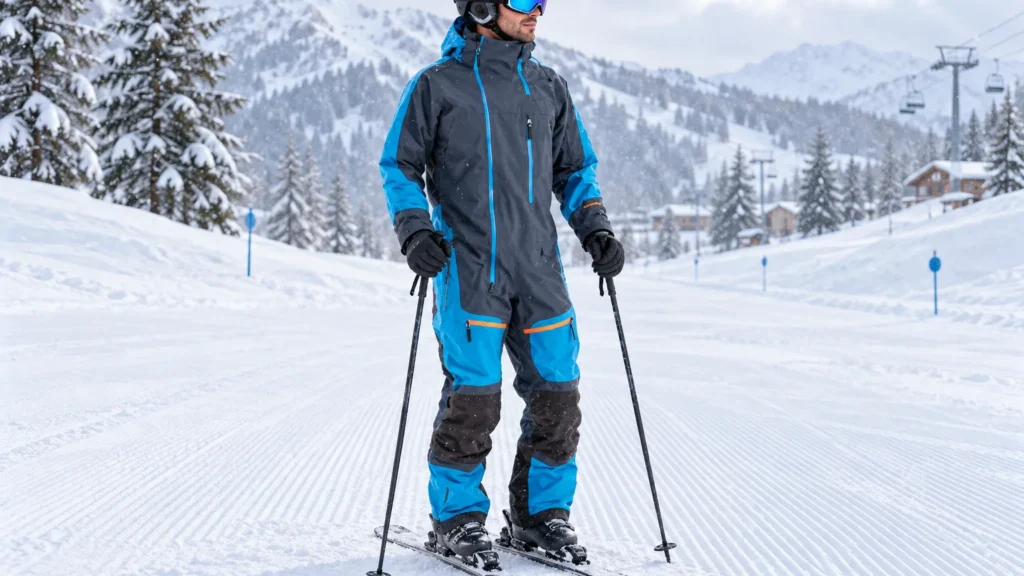
For buyers comparing suppliers, warm weather skiing clothes can be reviewed as a configurable category rather than a fixed outfit. Yuelei Sports also presents ski jackets for teams that need a shell-led assortment. Evaluate its role through samples, measurement approval, documentation, and agreed quality controls—not an assumed certification. Specify warm weather skiing clothes by duty cycle, not by a generic temperature label.
Frequently asked questions about spring ski layering
What is the best layering system for warm weather skiing clothes?
A breathable base, optional light midlayer, and vented shell give most mixed spring duties the widest adjustment range. The best combination still depends on output, wind, humidity, shade, altitude, precipitation, physiology, and full-kit fit, so validate it in representative shifts.
What should I wear under warm weather skiing clothes in spring skiing?
Use a moisture-managing base layer that lies flat under the jacket and pants; add a light midlayer when lift pauses or wind create a chill. Avoid cotton for high-output work because retained moisture can feel cold after the activity stops.
Do I need an insulated jacket or a shell for spring skiing?
Choose a shell when activity and weather change quickly and the wearer can manage insulation underneath. An insulated jacket can be practical for slower, exposed, or colder duties; a mixed resort program may need both patterns rather than one universal answer.
How can I avoid overheating while skiing?
Open vents before the hardest section, remove the midlayer before the base becomes wet, and dry or rotate damp pieces between runs. Use sunscreen, goggles, helmet, neckwear, and gloves as separate exposure controls instead of adding jacket insulation to solve every sensation.
Are ski clothes and snowboard clothes interchangeable?
They can overlap in weather protection, but cut, pocket placement, cuff geometry, and movement needs may differ by discipline and role. Check boot interface, stance, kneeling, binding clearance, and the full protective kit before treating one pattern as a direct substitute.
How should ski clothing fit so it is warm but still easy to move in?
Allow the intended base and midlayer without compressing them, then test pole reach, crouching, seated lift posture, and loaded-pack movement. Eliminate sleeve, hem, waist, and boot pressure points; a loose shell that pumps wind can be as uncomfortable as a tight one.
These sources define the evidence boundaries used in this guide
- National Weather Service, Cold Weather Safety (cold stress, wind, wetness, and exposure guidance).
- U.S. Centers for Disease Control and Prevention, Sun Safety (UV exposure and protective practices).
- ISO 11092:2014 (thermal and water-vapour resistance test method for textiles).
- ISO 811:2018 (determination of resistance to water penetration under hydrostatic pressure).
- ISO 4920:2012 (determination of resistance to surface wetting by impact from water).
The memorable rule for spring slopes is simple: build for change, then test the complete kit. Confirm the duty cycle, choose breathable layers, preserve a wind and precipitation option, and document claim limits before ordering. For teams planning skiing in warm weather clothes programs, configurable warm weather skiing clothes can be included in the supplier review; a custom design waterproof ski suit route may suit a distinct fit or branding brief. Share roles, size range, climate conditions, and test-document needs through the contact page before sampling.