 Xiamen Yuelei Sports Co., Ltd
When a technical engineer in Manchester compares hiking-jacket samples, the 20,000mm option appears to be the obvious upgrade. In this illustrative example, the wearer then puts on a fleece and backpack. The sleeves ride up, the shoulder straps trap the ventilation openings, and reaching for a walking pole pulls the hem above the waist. A higher fabric result has not solved the fitting problem.
Summary: A waterproof jacket for hiking should be chosen by its complete construction and intended use, not by 10K, 15K or 20K alone. Those figures represent water-column height in a fabric test: 10K equals 10,000mm. Compare results from the same method, inspect seams and openings, and fit the jacket with the actual backpack and layers.
ISO 811:2018 specifies a hydrostatic-pressure method for textile water resistance. It does not assign universal hiking conditions to particular numbers. Rainwear guidance from REI also treats construction, breathability, ventilation and fit as separate buying considerations. That distinction matters when a supplier offers several fabrics under an otherwise identical jacket design.
What do 10,000mm, 15,000mm and 20,000mm actually mean?
The rating is commonly expressed as the height of a water column producing a given pressure before the test’s penetration endpoint. A 10,000mm result corresponds to 10 metres of water head, 15,000mm to 15 metres and 20,000mm to 20 metres. These are laboratory pressure equivalents, not realistic depths at which the wearer should use a jacket.
With the same test method and conditions, a higher result indicates greater resistance to water penetration in that test. Before comparing, request the method, fabric identification and whether the specimen was new or preconditioned. An ISO 811 result for one fabric cannot be silently transferred to another colourway, coating or production substitution.
There is also no valid conversion from these numbers to hours of rain. A headline such as “20K keeps everyone dry all day” overlooks garment openings, wear, perspiration and care. A backpacking waterproof jacket needs evidence that matches both the fabric and the finished construction.
Is 20K always better than 10K for a wet hike?
It provides more fabric-level resistance only when the test results are comparable. That can be useful within a demanding rainwear specification, but it does not automatically make the garment more breathable, durable or comfortable. A well-fitting 10K shell with intact seams may be the more usable purchase than a poorly constructed 20K sample.
A 15K option is an intermediate test result, not an official category of hiking jacket. Buyers can specify a minimum result for their own programme, then validate the complete jacket. ISO 811 does not establish that a particular threshold is sufficient for every long hike or that a lower one is unsuitable for every short outing.
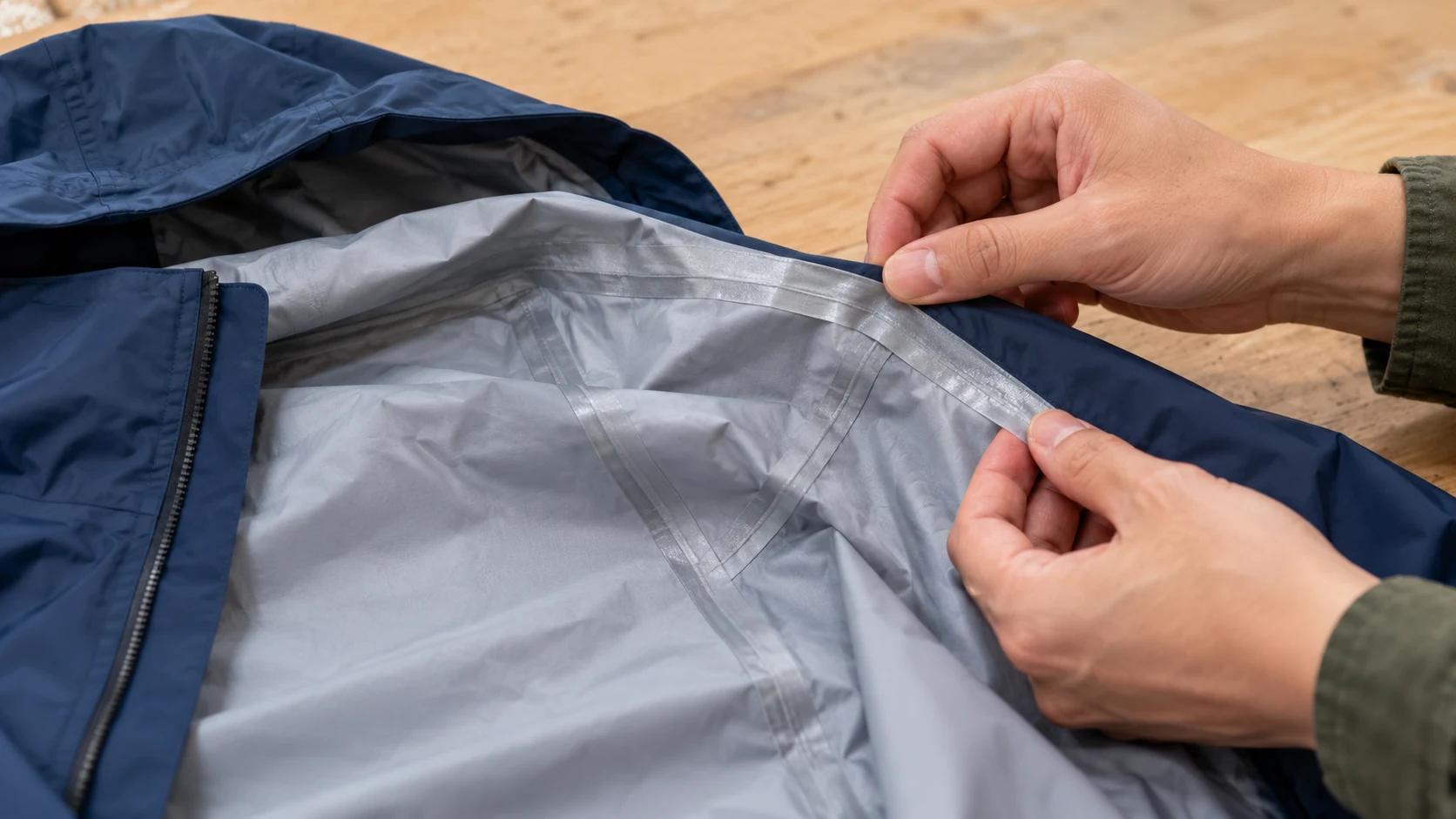
For a hiking waterproof jacket, inspect the seam tape, front closure, hood, cuffs and hem. Ask how critical junctions are checked during manufacture. Pack straps and repeated flexing create additional practical demands, so inspect used samples as well as new ones before approving a long-term supply programme.
Why do hikers still feel wet inside a waterproof shell?
Moisture may come from perspiration, condensation or rain entering through an opening. A damp inside surface alone does not identify the cause. Note where wetness appears, what the wearer was doing and whether the exterior fabric had become saturated. A leak at a seam and clamminess across the back require different responses.
ISO 11092:2026 measures water-vapour resistance as well as thermal resistance under controlled conditions. Other methods report moisture-vapour transmission in different units. Two figures from incompatible methods cannot be ranked by simply choosing the larger number. Ask for the method and units before describing one trekking waterproof jacket as more breathable.
Pit zips provide a direct way to release heat, but their placement and weather protection matter. Open them when conditions allow, reduce unnecessary insulation and adjust pace before becoming soaked with sweat. In wind-driven rain, exposed vents can admit water. The guide to breathable rain jackets separates these comfort mechanisms.
Should a hiking rain jacket fit over a fleece?
Yes, if that fleece is part of the planned clothing system. Try three movements with the backpack fitted: reach forward, lift both arms and take a high step. These are sample checks rather than ISO 811 requirements; the test report covers fabric, while the fitting session shows whether the garment stays useful in motion.
The shell should allow shoulder movement without compressing insulation or pulling the collar across the throat. Excess fabric has disadvantages too: it can flap, bunch beneath straps and interfere with pockets. Choose by garment measurements and a trial rather than automatically adding one size to every wearer’s usual shirt size.
A hardshell usually prioritizes weather protection; a softshell often emphasizes stretch, air permeability and comfort. Some softshells include waterproof barriers, while others only resist light precipitation. Buyers should read the actual specification rather than treating either name as a complete performance guarantee.

How should buyers compare the three waterproof ratings?
| Quoted rating | What it establishes if comparable | What still needs checking |
|---|---|---|
| 10K / 10,000mm | Resistance at the stated laboratory result | Method, seams, openings and intended use |
| 15K / 15,000mm | Higher tested resistance than 10K under equivalent conditions | No automatic improvement in comfort or abrasion life |
| 20K / 20,000mm | Higher tested resistance than 15K under equivalent conditions | Finished-garment performance and evidence after conditioning |
The hidden cost is buying a higher specification that does not address the actual problem. If returns arise from narrow sleeves or inaccessible pockets, spending more on hydrostatic head may change little. Track fabric cost separately from pattern development, seam workmanship, sample trials and after-sales handling.
Which features matter most on different hikes?
| Trip pattern | Priority beyond the rating | Check before ordering |
|---|---|---|
| Short walks with a small daypack | Easy adjustment and comfortable coverage | Hood movement and cuff reach |
| Long climbs with frequent stops | Ventilation and flexible layering | Operate vents with straps fastened |
| Multi-day backpacking | Durability, repairability and drying | Inspect contact areas after a representative trial |
| Shell carried mainly for emergencies | Packed size and rapid dressing | Fit over the complete clothing system |
What should a waterproof test report say?
For ISO 811, the report should identify the tested material and relevant conditions, not merely display a standard number on a sales sheet. ISO 11092 concerns thermal and water-vapour resistance; it does not certify a jacket for a particular temperature. A supplier’s statement that material was tested is different from a third-party certification of the finished product.
Where protective rainwear claims bring EN 343 into scope, request the applicable classification and supporting documentation. Ordinary recreational rain jackets should not be promoted as certified occupational PPE without evidence. These distinctions protect buyers from making inaccurate retail or tender claims.
How can a purchasing team choose the right sample?
- Define the expected trip, pack and layers before choosing a fabric rating.
- Compare reports from compatible test methods and sample conditions.
- Approve the complete garment during movement, including hood and pocket access.
- Include washing, reproofing and repair guidance in the handover.
Yuelei Sports can receive enquiries for outdoor rainwear development. When discussing a breathable lightweight waterproof shell, request the exact model’s available evidence and sample measurements. The best waterproof jacket for hiking depends on the buyer’s use case, rather than an unsupported league table of numbers.
Frequently asked questions
What waterproof rating do I need in a waterproof jacket for hiking?
There is no universal minimum for every hike. Compare tested fabric resistance alongside seams, openings, exposure, pack use and garment condition.
Is a 10K, 15K or 20K jacket better for a long wet hike?
Under equivalent test conditions, 20K indicates greater fabric resistance. For a long hike, complete construction, ventilation and coverage remain essential; the number alone cannot guarantee dryness.
Why are pit zips useful on a hiking rain jacket?
They release warm, humid air directly. Their usefulness depends on access with a pack and whether the weather allows them to remain open.
Should a hiking waterproof jacket be sized to fit over a fleece?
Yes, when that fleece is part of the intended outfit. Check movement with both garments on rather than relying on a universal size-up rule.
What is the difference between a hardshell and a softshell for hiking?
A hardshell generally prioritizes weather protection; a softshell often prioritizes flexible comfort. Waterproof capability varies, so the material and seam specification still matter.
How do I reproof a hiking jacket after repeated use?
Clean it according to the label first, then use compatible repellency treatment if required. Follow approved drying instructions. Reproofing the surface does not repair holes, delamination or failed seam tape.
References
- ISO 811: hydrostatic-pressure testing
- ISO 11092: thermal and water-vapour resistance
- REI: choosing rainwear
- SATRA: EN 343 protective rainwear
A useful specification follows the hiker from the test report onto the trail. Contact Yuelei Sports with the intended pack, layers and conditions to discuss a waterproof jacket for hiking sample.